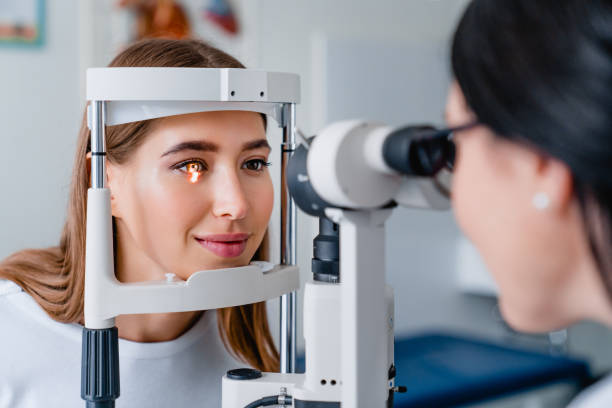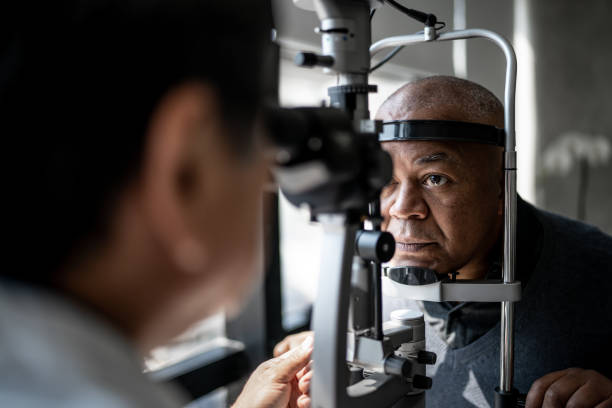
Best Eye Doctor Houston TX – Houston Optometrist & Eye Clinic Specialists

Best Eye Doctor Houston TX – Houston Optometrist & Eye Clinic Specialists

How Optometry Houston TX Professionals Recommend Eye Exam Frequency for Adults and Why It Matters

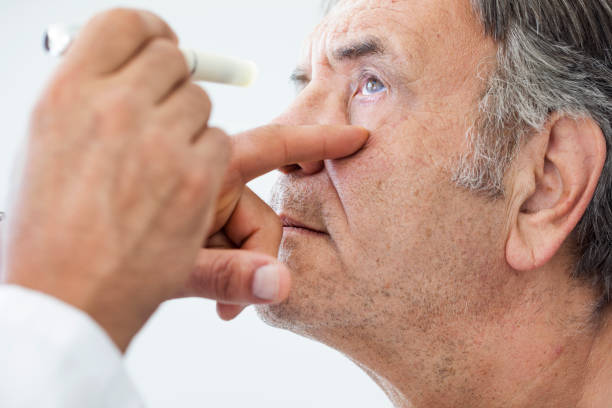
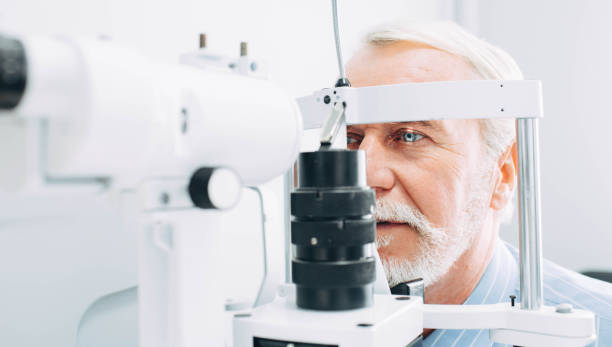
Senior man getting eye exam at clinic, close-up Senior patient checking vision with special eye equipment eye doctor stock pictures, royalty-free photos & images

Regular eye exams are a critical part of maintaining overall health and well-being. For adults, the frequency of these exams can vary based on age, health status, and vision needs. Below is a detailed guide on how often adults should get their eyes checked and why it’s essential.

Frequency of Eye Exams for Adults

Age Group Frequency
Ages 18-39 Every 2 years if no vision issues or risk factors are present
Ages 40-64 Every 1-2 years to monitor for early signs of age-related eye conditions
Ages 65+ Annually, due to increased risks for cataracts, glaucoma, and macular degeneration

For those with specific conditions like diabetes or a family history of eye disease, more frequent exams may be necessary regardless of age.

Routine eye examinations go beyond detecting changes in vision; they serve as a valuable tool for monitoring overall health.

  1. Comprehensive Eye Care at an Eye Clinic in Houston TX
    Regular exams allow your optometrist to detect these issues before they cause irreversible damage.
  2. Monitoring Vision Changes
    For adults who wear glasses or contact lenses, periodic checkups ensure prescriptions remain accurate. Vision changes can occur gradually over time and lead to strain or discomfort if uncorrected.
  3. Identifying Systemic Health Conditions
    The eyes often reveal signs of broader health problems like high blood pressure, diabetes, or even autoimmune disorders. A comprehensive exam can help identify these underlying conditions early.
  4. Protecting Work Performance and Quality of Life
    Clear vision is critical for tasks like reading, driving, or using digital devices at work. Undiagnosed visual impairments can decrease productivity and quality of life over time.

Signs You May Need an Exam Sooner

  • Blurred or double vision
  • Persistent headaches while reading or using screens
  • Sudden loss or distortion in vision
  • Increased sensitivity to light
  • Difficulty seeing at night

Proactive Steps Between Exams

  • Follow the “20-20-20 Rule” when using screens (every 20 minutes look at something 20 feet away for 20 seconds).
  • Wear sunglasses with UV protection outdoors.
  • Maintain a balanced diet rich in omega-3 fatty acids and vitamin A.
  • Avoid smoking; it increases the risk of cataracts and other diseases.

Scheduling regular eye exams based on personal risk factors ensures that your visual health is actively monitored while providing peace of mind about potential underlying conditions that could affect your body overall.

How a Houston TX eye doctor can help protect your overall eye health with annual exams

Regular eye exams are more than just a way to update your prescription; they play a crucial role in preserving and safeguarding your overall health. Annual eye exams can help detect early signs of serious conditions, both related to vision and general well-being. Below, we explore why scheduling an annual visit with your eye doctor should be a priority.

Early Detection of Eye Diseases

Many eye diseases develop gradually and without noticeable symptoms in their early stages. An annual exam can help catch these conditions before they cause irreversible damage.
Glaucoma: Characterized by increased pressure in the eye, glaucoma often leads to vision loss if untreated. Early detection is vital for slowing progression.
Cataracts: Clouding of the lens that can impair vision over time. It’s easier to manage when detected early.
Macular Degeneration: A condition that affects central vision, making daily tasks like reading difficult as it progresses. Regular monitoring helps in managing the risk factors.

Monitoring Changes in Vision

Even if you think your vision hasn’t changed significantly, subtle shifts can occur over time that may not be immediately noticeable. Your optometrist or ophthalmologist can track these changes through annual exams, ensuring your prescription is always up-to-date and suitable for your needs.

Symptoms Indicating Vision Changes

  • Persistent headaches
  • Difficulty focusing on objects at certain distances
  • Straining while reading or working on digital screens

Identifying Systemic Health Issues Through Eye Exams

Your eyes offer a window into your overall health, and many systemic conditions manifest symptoms that are detectable during an eye exam.
| Condition | Potential Eye Indicators |
|—————————–|——————————————————-|
| Diabetes | Retinal swelling or bleeding |
| Hypertension | Damage to blood vessels in the retina |
| High Cholesterol | Plaque deposits visible in blood vessels |
| Autoimmune Disorders | Inflammation within the eyes |

Enhancing Quality of Life

Vision impacts nearly every aspect of daily living—from driving safely to enjoying hobbies such as reading or crafting. Routine check-ups ensure optimal visual clarity while preventing avoidable complications from untreated issues.

Benefits of Clear Vision

  • Improved productivity at work or school
  • Reduced risk of accidents caused by impaired sight
  • Enhanced ability to engage in recreational activities

When Was Your Last Eye Exam?

If it has been more than a year since your last comprehensive exam, it’s time to schedule one now—whether you’re noticing changes in your eyesight or not. Proactive care today could prevent major challenges tomorrow by protecting both your vision and overall health through timely intervention.
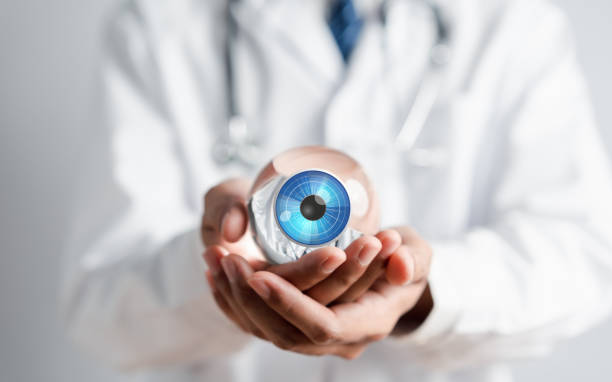
Digital vision eye care concept. Doctor using technology for eye test vision, checking eyesight, Eye clinic appointment. Digital vision eye care concept. Doctor using technology for eye test vision, checking eyesight, Eye clinic appointment. eye doctor stock pictures, royalty-free photos & images

Understanding Age-Related Eye Issues and How They Affect Vision

As we age, our eyes undergo various changes that can significantly impact vision and overall eye health. Understanding these age-related eye issues is crucial for maintaining good eyesight and detecting problems early. Below, we’ll explore common age-related eye conditions, their effects on vision, and how to preserve eye health over time.

Common Age-Related Eye Conditions

  1. Occurs typically around age 40 or older.
  2. Difficulty focusing on close objects or small print.
  3. Often corrected with reading glasses, bifocals, or progressive lenses.
  4. Clouding of the natural lens of the eye, leading to blurred vision.
  5. Symptoms include glare sensitivity, faded colors, and difficulty seeing at night.
  6. Treatment involves surgical removal of the cataract and replacement with an artificial lens.
  7. Damage to the optic nerve, often associated with high intraocular pressure (IOP).
  8. May lead to peripheral vision loss if untreated.
  9. Regular screening is essential as symptoms are often unnoticeable in early stages.
  10. Affects central vision due to damage in the macula (part of the retina).
  11. Two types: Dry AMD (gradual thinning of macula) and Wet AMD (abnormal blood vessel growth).
  12. Can impair activities like reading or recognizing faces.
  13. Decreased tear production or poor tear quality leads to discomfort and blurry vision.
  14. Common in older adults due to hormonal changes or environmental factors.
  15. Diabetic Retinopathy (for individuals with diabetes)
  16. Damage to retinal blood vessels caused by uncontrolled blood sugar levels over time.
  17. Can lead to vision loss if not managed properly.

Impact on Vision

Condition Key Symptoms Potential Vision Impact Treatment Options
Presbyopia Blurred near vision Challenges with reading or close work Glasses or contact lenses
Cataracts Cloudy/blurry vision Overall dullness in visual clarity Surgery
Glaucoma Peripheral vision loss Tunnel-like vision Medications or surgery
AMD Central blind spots Reduced ability for fine details Lifestyle changes, injections
Dry Eye Syndrome Gritty sensation, dryness Temporary blurred sight Artificial tears, medications

Prevention & Care

  • Schedule regular comprehensive eye exams: Detect conditions before symptoms worsen.
  • Protect your eyes from UV light: Wear sunglasses that block 100% UVA/UVB rays.
  • Maintain a healthy lifestyle: Eat nutrient-rich foods (e. g. , leafy greens for lutein) and stay hydrated.
  • Manage chronic health conditions: Control blood pressure, cholesterol levels, and diabetes.
  • Use digital screens wisely: Follow the 20-20-20 rule (look 20 feet away for 20 seconds every 20 minutes).

By staying informed about these common conditions and taking preventive steps, you can improve your chances of preserving your eyesight as you age—and enjoy clear vision for years to come.

When to Visit a Houston TX Optometrist for Comprehensive Vision Care

Routine eye care is a fundamental part of maintaining overall health and ensuring long-term vision quality. Many people delay or overlook scheduling an eye exam until they experience noticeable vision changes or discomfort. However, seeing an optometrist for comprehensive vision care is essential, even if you don’t currently have symptoms. Below, we’ll discuss when to visit your optometrist and why regular checkups are vital.

Signs It’s Time to See an Optometrist

  • Sudden Vision Changes: If you notice blurred vision, double vision, or difficulty focusing at any distance, it’s important to get evaluated promptly.
  • Eye Pain or Discomfort: Persistent eye pain, dryness, redness, or irritation can indicate underlying issues that require professional care.
  • Frequent Headaches: Unexplained headaches can sometimes be linked to uncorrected refractive errors like astigmatism or farsightedness.
  • Light Sensitivity: Increased sensitivity to light may signal conditions such as corneal inflammation or early cataracts.
  • Difficulty Seeing at Night: Struggling with night vision might indicate problems such as retinal degeneration or early-stage cataracts.
  • Eye Injuries: Any trauma to the eyes warrants immediate attention from an optometrist to prevent long-term damage.

Routine Eye Exams Based on Age

Even if you don’t experience noticeable symptoms, routine eye exams are still vital for preventive care.

Age Group Recommended Exam Frequency Special Considerations
20–39 years Every 2–3 years Sooner if experiencing digital strain from screen usage
40–59 years Every 2 years Presbyopia (age-related farsightedness) often begins here
60 years and older Annually Higher risk of cataracts and glaucoma

For individuals with pre-existing conditions such as diabetes or a family history of glaucoma, more frequent exams may be necessary regardless of age.

Importance of Comprehensive Vision Care

Visiting an optometrist isn’t only about updating your glasses prescription; comprehensive exams often help identify broader health concerns at an early stage.

  1. Detection of Ocular Diseases
    Conditions like glaucoma and macular degeneration may develop without symptoms in the early stages but can lead to irreversible damage if untreated.
  2. Monitoring Systemic Health Issues
    An eye exam can reveal signs of systemic ailments such as hypertension, diabetes, and autoimmune disorders.
  3. Tailored Vision Solutions
    Your optometrist can provide personalized recommendations for corrective lenses, contact lenses, or lifestyle adjustments based on your unique needs.
  4. Protection Against Digital Eye Strain
    With the increasing use of screens in daily life, addressing blue light exposure and its effects on the eyes has become critical.

Prioritizing regular visits with your optometrist ensures both proactive prevention and timely intervention when needed for overall visual well-being.

When to See an Optometrist for Comprehensive Vision Care

Regular visits to an optometrist are a key component of maintaining optimal eye health. While many people may only seek care when experiencing vision problems, comprehensive eye exams play a much larger role in detecting potential issues before they become serious. Understanding when to visit an optometrist can help you safeguard your vision and overall health.

Signs It’s Time to See an Optometrist

There are several situations and symptoms that warrant scheduling an appointment with an optometrist.

  • Blurry or Cloudy Vision: Difficulty focusing or persistent fogginess in your vision could indicate refractive errors, cataracts, or other underlying issues.
  • Eye Strain or Fatigue: Constant screen use and prolonged focus on near objects can lead to digital eye strain, which should be addressed promptly.
  • Frequent Headaches: Persistent headaches, especially those occurring around the eyes or forehead, might be linked to uncorrected vision problems.
  • Difficulty Seeing at Night: Night vision changes could signal conditions like cataracts or vitamin A deficiency.
  • Double Vision: Seeing two images instead of one may be caused by muscle imbalances or nerve-related issues.
  • Sudden Vision Changes: Rapid changes in vision, such as flashes of light, floaters, or partial loss of sight, can signal serious eye conditions like retinal detachment.

If any of these symptoms arise, it’s essential not to delay a visit to your optometrist.

Routine Checkups Based on Age

Even if you don’t experience noticeable symptoms, routine eye exams are recommended for preventive care.

Age Group Recommended Frequency
20–39 years At least once every 2–3 years unless otherwise noted by a doctor
40–64 years Every 1–2 years
65+ years Annually

Individuals with pre-existing conditions (like diabetes) or a family history of eye diseases may need more frequent exams as advised by their optometrist.

Benefits of Comprehensive Eye Exams

  1. Glaucoma:Often referred to as the “silent thief of sight,” glaucoma can progress without noticeable symptoms until irreversible damage occurs.
  2. Macular Degeneration:Early detection allows for better treatment options that slow its progression.
  3. Diabetic Retinopathy:An essential check for individuals with diabetes to prevent complications affecting the retina.
  4. Systemic Health Issues:Conditions like hypertension and high cholesterol sometimes manifest through visible changes in the blood vessels at the back of the eyes.

What Happens During a Comprehensive Eye Exam?

  • Visual acuity tests (measuring how well you see at various distances)
  • Refraction tests (to determine if corrective lenses are needed)
  • Eye pressure measurement (important for detecting glaucoma)
  • Examination of internal structures using specialized tools

Comprehensive care also provides an opportunity for your optometrist to discuss lifestyle adjustments and preventative measures tailored specifically for your needs.

Seeing an optometrist regularly ensures that any emerging concerns related to vision or general health can be addressed effectively. By staying proactive about your eye care routine, you’re making a long-term investment in one of life’s most important senses—your sight.


Discover the Services a Houston TX Optometrist Offers to Improve Your Vision

Eye doctor with female patient during an examination in modern clinic Medicine, Hospital, Medical Clinic, Ophtalmologist, Exam eye doctor stock pictures, royalty-free photos & images

An optometrist plays a key role in maintaining your eye health and optimizing visual performance. Their services extend far beyond prescribing glasses or contact lenses. Below is an overview of the primary services offered by optometrists and how they contribute to your overall vision health.

Comprehensive Eye Exams

One of the essential services provided by optometrists is a thorough eye examination. These exams assess not just your vision but also the overall health of your eyes.
Visual Acuity: Determines how clearly you can see at various distances.
Refractive Errors: Detection of myopia (nearsightedness), hyperopia (farsightedness), astigmatism, and presbyopia.Eye Coordination: Examination of how well both eyes work together.Ocular Health Assessment: Checking for signs of diseases like glaucoma, cataracts, or macular degeneration.

These exams are vital as they can detect underlying conditions early, offering better chances for effective management.

Vision Correction Services

Optometrists provide customized solutions for correcting refractive errors through glasses or contact lenses. They ensure that prescriptions are tailored to meet the unique needs and lifestyle of each patient. Advanced technology like digital lens measurements ensures precision in crafting corrective eyewear.

Diagnosis and Management of Eye Diseases

An optometrist is often the first line of defense in diagnosing and managing common eye diseases such as: – Glaucoma: Regular screening helps detect increased intraocular pressure, a major risk factor.Cataracts: Early identification allows patients to seek timely surgical intervention if needed.Diabetic Retinopathy: Monitoring changes in the retina caused by diabetes to prevent vision loss.

Timely diagnosis through routine checkups minimizes disease progression and helps preserve vision long-term.

Pediatric Eye Care

Children’s eye care is another critical service offered by optometrists. Detecting issues such as amblyopia (lazy eye) or strabismus (misaligned eyes) early can prevent long-term complications. Proper vision correction also supports their learning processes, as up to 80% of classroom learning relies on good visual input.

Contact Lens Fittings

For individuals seeking an alternative to glasses, optometrists provide expert guidance on contact lens options including soft lenses, rigid gas-permeable lenses, or specialty lenses for conditions like keratoconus. Fittings include training on proper use and hygiene practices to prevent infections.

Low Vision Rehabilitation

Patients with significant vision loss due to conditions like macular degeneration or advanced glaucoma may benefit from low vision aids prescribed by an optometrist. These aids include magnifiers, specialized glasses, or electronic devices designed to enhance remaining eyesight.

Service Key Benefit
Comprehensive Eye Exams Early detection of diseases
Glasses & Contact Lenses Improved visual clarity
Disease Management Prevention of severe complications
Pediatric Eye Care Supports development & academic success
Low Vision Rehabilitation Enhanced independence for low vision

Regular visits to an optometrist ensure that both minor issues and serious concerns are addressed promptly. By offering a wide range of services focused on prevention, treatment, and correction, these healthcare professionals play a critical role in protecting one’s most valued sense—sight.

Expert Optometry Services in Houston TX: Comprehensive Eye Exams for Long-Term Health

Comprehensive eye exams play a vital role in maintaining long-term eye health and detecting potential issues before they become serious. Unlike basic vision screenings that only assess visual acuity, comprehensive exams evaluate the overall health of your eyes and can even reveal early signs of systemic conditions like diabetes or hypertension.

What Does a Comprehensive Eye Exam Include?

  • Medical History Review: The optometrist will ask about your medical history, family history of eye diseases, and any vision-related symptoms you may be experiencing.
  • Visual Acuity Test: This test determines how clearly you can see at various distances using an eye chart.
  • Refraction Assessment: Helps determine your precise prescription for glasses or contact lenses by measuring how light rays are focused in your eyes.
  • Eye Movement and Coordination Testing: Assesses how well your eyes work together when tracking objects or reading.
  • Intraocular Pressure Measurement (Tonometry): Measures the pressure inside your eyes to screen for glaucoma.
  • Retinal Exam: Using tools like an ophthalmoscope or retinal imaging, the optometrist examines the back of the eye (retina) to check for abnormalities such as macular degeneration or diabetic retinopathy.

Benefits of Regular Comprehensive Eye Exams

  1. Early Detection of Eye Diseases
    Many serious eye conditions, such as glaucoma or macular degeneration, develop gradually without noticeable symptoms initially. Regular exams help detect these issues early when treatment is most effective.
  2. Improved Vision Quality
    Proper diagnosis ensures that vision correction through glasses, contact lenses, or other treatments is up-to-date and suited to your needs.
  3. Identification of Systemic Health Issues
    Changes in the eyes often reflect broader health concerns.
  4. Retinal bleeding may indicate diabetes.
  5. Preventative Care for Age-Related Changes
    Aging affects eyesight significantly, with conditions like presbyopia becoming more common around age 40. Exams can help manage these changes effectively.

Frequency Recommendations

Age Group Frequency of Exams
Children (6 months–5 years) At least once during this period
School-Age Children Every 1–2 years
Adults (18–60 years) Every 2 years; annually if at risk
Seniors (61+ years) Annually

Risk Factors That May Require More Frequent Visits

Certain individuals may need more frequent examinations because of their medical history or lifestyle habits: – Family history of glaucoma or macular degeneration. – Chronic diseases like diabetes or hypertension. – Prolonged use of digital devices leading to digital eye strain. – Previous eye surgeries or injuries.

Steps You Can Take Between Appointments

To ensure optimal eye health between visits: – Follow a healthy diet rich in nutrients like omega-3 fatty acids, lutein, and vitamins C & E. – Wear sunglasses with UV protection when exposed to sunlight. – Practice good screen habits by observing the 20/20/20 rule: every 20 minutes, look at something 20 feet away for at least 20 seconds.

By prioritizing comprehensive eye exams regularly, you not only safeguard your current vision but also promote lifelong ocular health.

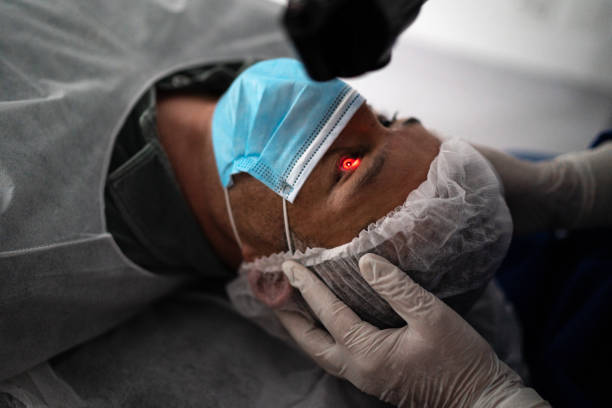
Patient on an eye surgery Patient on an eye surgery eye doctor stock pictures, royalty-free photos & images

Comparing Glasses and Contact Lenses for Vision Correction at an Eye Clinic Houston TX

Choosing between glasses and contact lenses is a common decision that depends on lifestyle, convenience, and personal preferences. Both options serve the same purpose—correcting vision—but they differ greatly in terms of usage, comfort, and care. Understanding their differences can help you make an informed choice for your vision needs.

Glasses: Features, Advantages, and Considerations

Benefits of Glasses:Ease of use:Glasses are generally easy to put on and take off without requiring any direct contact with the eye.Low maintenance:Apart from occasional cleaning and safe storage, glasses require minimal upkeep.Durability:A well-maintained pair of glasses can last for years with proper care.Style options:Glasses come in a wide range of frame styles to suit personal aesthetics.Eye protection:They provide an added layer of protection against wind, dust, and UV rays when fitted with protective coatings.

Drawbacks of Glasses:Peripheral vision limitations:Frames may obstruct side views compared to contact lenses.Lifestyle restrictions:Glasses can be inconvenient during physical activities like sports or exercise.Weather-related issues:Fogging during cold weather or rain can hinder visibility.

Contact Lenses: Features, Advantages, and Considerations

Benefits of Contact Lenses:Natural field of view:Contacts sit directly on the eye’s surface, offering an unobstructed field of vision.Aesthetic appeal:As they are invisible when worn, they don’t alter your appearance like glasses do.Convenience for activities:Ideal for active lifestyles or sports as they don’t slip or bounce during movement.Customized options available:Specialized contacts are available for conditions such as astigmatism or presbyopia.

Drawbacks of Contact Lenses:High maintenance requirements:Proper cleaning and storage are essential to prevent infections or irritation.Risk of eye problems:Misuse or improper hygiene can lead to dryness, discomfort, or infections like keratitis.Adjustment period required:Some individuals may find lenses uncomfortable initially and need time to adapt.

Comparing Cost Over Time

Feature Glasses Contact Lenses
Initial cost Higher upfront cost Lower upfront cost
Long-term expenses Minimal maintenance costs Ongoing replacement costs
Lifespan Can last several years Limited lifespan; disposable

Factors to Consider When Choosing

When deciding between glasses and contact lenses: 1. Assess your daily activities—Are you involved in sports or outdoor work? Evaluate your comfort level with handling contact lenses. Consider long-term costs versus short-term convenience. Discuss any pre-existing eye conditions with your optometrist before making a choice.

Both glasses and contact lenses offer unique advantages tailored to different needs. Consulting an eye doctor for personalized advice ensures that your choice aligns with your lifestyle while preserving optimal vision health.

Understanding Glaucoma and Cataract Treatment Options from an Eye Doctor

Eye doctors play a crucial role in diagnosing, managing, and treating conditions like glaucoma and cataracts. These two common eye diseases, if left untreated, can lead to severe vision impairment or even blindness. Below is a breakdown of these conditions and the treatment options available.

  • Gradual loss of peripheral vision
  • Blurred vision
  • Eye pain or pressure
  • Halos around lights
  • Redness in the eyes (in acute cases)
Glaucoma Treatments

Effective management of glaucoma often requires early diagnosis.

  1. Prostaglandin analogs (e. g. , latanoprost) to reduce IOP.
  2. Beta-blockers to decrease fluid production in the eye.
  3. Carbonic anhydrase inhibitors for further pressure reduction.
  4. Oral Medications:
    If eyedrops alone are insufficient, oral medications like acetazolamide may be prescribed.
  5. Laser Therapy:
    Laser trabeculoplasty is often used to improve drainage and lower IOP.
  6. Trabeculectomy: Creation of a new drainage passage.
  7. Minimally Invasive Glaucoma Surgery (MIGS): Less invasive techniques with quicker recovery times.

Regular follow-ups with your eye doctor are essential to monitor disease progression and adjust treatments as needed.

What are Cataracts?

Cataracts occur when the lens of the eye becomes cloudy due to protein buildup, leading to blurry vision. This condition is most common in older adults but can also be caused by trauma, certain medications (e. g. , corticosteroids), or underlying health conditions like diabetes.

Early Signs of Cataracts:
  • Blurry or cloudy vision
  • Increased sensitivity to glare (especially at night)
  • Fading colors or yellowish tint in vision
  • Difficulty reading small print
Cataract Treatment Options
Treatment Type Procedure Description Benefit
Non-Surgical Correction Glasses or stronger prescription lenses Temporary solution for mild cases
Cataract Surgery Removal of the cloudy lens and replacement with an intraocular lens (IOL) Permanent restoration of clear vision

Cataract surgery has a high success rate and can usually be performed on an outpatient basis with minimal downtime.

Why Early Detection Matters

Both glaucoma and cataracts progress gradually, often without noticeable symptoms in their early stages. Regular comprehensive eye exams are critical for early diagnosis and intervention.

  • Tonometry: Measures intraocular pressure for glaucoma screening.
  • Slit Lamp Examination: Assesses the structure of your eyes.
  • Ophthalmoscopy: Examines the retina and optic nerve for signs of damage.

By staying proactive about your eye health through regular check-ups and adhering to prescribed treatments, you can significantly reduce your risk of serious complications from both glaucoma and cataracts.

Protecting your vision requires collaboration between you and your eye doctor. Awareness about these common conditions empowers you to make informed decisions about treatment options tailored specifically to your needs.

Sealing Lasik surgery Sealing Lasik surgery eye doctor stock pictures, royalty-free photos & images

How an Optometrist Can Help Diagnose and Treat Myopia Effectively

An optometrist plays a crucial role in diagnosing and treating myopia to help individuals maintain clear vision and prevent further complications. Below is an in-depth discussion on how optometrists can assist in managing this condition.

The Diagnosis Process for Myopia

An accurate diagnosis is the first step toward effective treatment.

  1. Includes visual acuity tests using an eye chart.
  2. Refraction tests are performed to determine the precise lens prescription needed.
  3. A computerized device measures how light changes as it enters the eye, providing another way to evaluate refractive issues.
  4. Ensures there are no underlying conditions that might mimic or worsen myopia.

By combining these diagnostic tools, optometrists can confirm if a patient has myopia and determine its severity.

Once diagnosed, an optometrist will recommend treatment options tailored to the individual’s age, lifestyle, and the degree of nearsightedness.

  1. Glasses with concave lenses are a simple and effective way to correct vision for those with mild or severe myopia.
  2. Contact lenses may be offered as an alternative for patients seeking convenience or aesthetic preferences.
  3. Special gas-permeable contact lenses worn overnight temporarily reshape the cornea.
  4. Offers clear daytime vision without needing glasses or contacts during waking hours.
  5. Medicated Eye Drops (Atropine Therapy)
  6. Consists of structured visual activities aimed at improving eye coordination and focus, addressing some functional aspects related to myopia progression.
  7. Surgical Options (For Adults)
    Patients who qualify may be referred for surgical procedures such as:

    • LASIK (Laser-Assisted In-Situ Keratomileusis)
    • PRK (Photorefractive Keratectomy)
  • Regular eye exams ensure any early signs of worsening can be addressed promptly.
Treatment Option Suitable For Key Benefits
Glasses All ages Easy-to-use; non-invasive
Contact Lenses Teens & adults Improved peripheral vision
Orthokeratology Children & young adults Reduces daytime dependency on correction
Atropine Eye Drops Children Slows down progression effectively
LASIK/PRK Adults with stable prescriptions Permanent results with minimal downtime

Optometrists work closely with patients to monitor their progress over time and make adjustments when necessary, ensuring optimal visual outcomes throughout life’s various stages.

The Best Houston TX Eye Doctor Tips for Treating Itchy Eyes and Their Causes

Itchy eyes are a common complaint that can result from a variety of causes. Identifying the underlying reason is essential to determine the appropriate treatment and prevent further discomfort or complications. Below, we explore the common causes of itchy eyes as well as effective treatment options.

Common Causes of Itchy Eyes

  1. Allergic reactions to environmental triggers such as pollen, dust mites, pet dander, or mold.
  2. Often accompanied by watery eyes, redness, and swelling.
  3. Insufficient tear production or poor-quality tears can cause irritation and itchiness.
  4. Common in individuals who spend prolonged hours staring at screens or are exposed to dry environments.
  5. Exposure to smoke, strong perfumes, chemicals, or chlorinated water can trigger itching sensations.
  6. Viral or bacterial infections like conjunctivitis (pink eye) may cause itchy eyes along with discharge and redness.
  7. Overuse of contact lenses or wearing lenses beyond their recommended duration may lead to dryness and irritation.
  8. Inflammation of the eyelids due to clogged oil glands near the base of the eyelashes is a frequent cause of itchiness.
  9. Conditions like eczema around the eyes or certain systemic diseases can also contribute to itchy eyes.

Best Treatment Options for Itchy Eyes

1.Over-the-Counter (OTC) Remedies

  • Artificial Tears: Lubricates dry eyes and provides instant relief.
  • Antihistamine Eye Drops: Reduces symptoms associated with allergies.
  • Decongestant Drops: Reduces eye redness but should not be used long-term due to potential side effects like rebound hyperemia.

Prescription Medications

If OTC remedies do not provide relief: – Your doctor may prescribe stronger antihistamines or anti-inflammatory eye drops. – Antibiotics for bacterial infections when necessary.

Lifestyle Modifications

Simple changes in daily habits can significantly reduce eye discomfort: – Avoid rubbing your eyes as this exacerbates irritation. – Use a humidifier in dry indoor environments. – Wear sunglasses outdoors to protect against allergens like pollen.

Proper Contact Lens Care

For contact lens users: – Follow proper hygiene practices for cleaning and storing your lenses. – Avoid wearing lenses for extended periods without breaks.

Treatment for Underlying Conditions

For chronic conditions such as blepharitis: – Warm compresses followed by gentle eyelid scrubbing with a doctor-recommended cleanser may help relieve symptoms over time.

When Should You See an Eye Doctor?

While many cases of itchy eyes improve with home care, certain situations require professional intervention: | Symptom | Possible Concern | |————————–|—————————————-| | Persistent Redness | Infection or severe allergy | | Vision Changes | Underlying serious condition | | Discharge (yellow/green) | Likely bacterial infection | | Painful Sensations | Ulcers or deeper inflammation issues |

An experienced optometrist can diagnose the underlying cause and recommend personalized treatments tailored specifically for your needs.

By understanding what triggers your itchy eyes and seeking timely care when needed, you can protect your vision health while improving your overall comfort.

Common Emergency Eye Care Services Provided by Experienced Eye Doctors

Eye emergencies can occur unexpectedly and may range from minor irritations to severe injuries requiring immediate attention. Experienced eye doctors are trained to handle a variety of emergency scenarios, ensuring the health and safety of your eyes. Below, we explore the common emergency eye care services offered and how they address urgent vision issues.

Types of Eye Emergencies

Eye emergencies can result from trauma, infections, or sudden changes in vision.

  • Foreign Objects in the Eye: Dirt, sand, or small particles can become lodged in the eye, causing irritation or potential damage if not removed promptly.
  • Chemical Burns: Exposure to harmful chemicals (such as cleaning products) can damage the sensitive tissues of the eye. Immediate care is required to minimize injury.
  • Sudden Vision Loss: A rapid decrease in vision could indicate a serious condition like retinal detachment or a stroke affecting the visual system.
  • Eye Infections: Conditions such as conjunctivitis (pink eye) or more severe infections like keratitis need timely diagnosis and treatment to prevent complications.
  • Blunt Trauma and Injuries: Accidents that lead to bleeding, swelling, or fractures around the eye area must be addressed quickly to avoid long-term damage.

Emergency Services Offered by Eye Doctors

Experienced optometrists and ophthalmologists provide specialized services tailored to these urgent situations.

  1. Specialized tools are used to safely remove objects without causing further harm.
  2. Lubricating drops may be applied post-removal for comfort.
  3. Immediate flushing of the eyes with saline solution is performed.
  4. Follow-up care involves assessing corneal damage and prescribing medication if necessary.
  5. Antibiotic or antiviral medications are prescribed depending on the cause.
  6. Patient education on maintaining hygiene during recovery is provided.
  7. Cuts near or around the eyes are cleaned and stitched if needed.
  8. Imaging tests (like CT scans) might be ordered for more complex injuries.
  9. Rapid evaluations help determine whether conditions like retinal detachment require surgical intervention.

Symptoms That Require Immediate Medical Attention

Symptom Possible Cause Recommended Action
Sudden blurry vision Retinal detachment Visit an eye doctor immediately
Flashes of light Posterior vitreous detachment Seek professional evaluation
Persistent pain Corneal abrasion/infection Schedule an urgent appointment
Blood in the eye Trauma/hyphema Consult an ophthalmologist

Why Timely Treatment Matters

Prompt treatment by an experienced eye doctor can prevent minor issues from developing into serious conditions that threaten your vision permanently. Delaying care may result in complications such as chronic pain, infections spreading internally, or even irreversible blindness in extreme cases.

By seeking professional help when faced with an eye-related emergency, you ensure comprehensive care aimed at restoring not just your eyesight but also your quality of life through targeted treatments and preventive recommendations tailored to your needs.


Exploring the Importance of Optometry Houston TX in Vision Care

Elderly man examined by an ophthalmologist Elderly man examined by an ophthalmologist eye doctor stock pictures, royalty-free photos & images

Eye health professionals play a critical role in maintaining and improving vision health. From diagnosing conditions to offering preventative care and treatment, these specialists ensure individuals receive the best care for their eyes. Understanding their roles is essential for anyone seeking comprehensive eye care.

Types of Eye Health Professionals

  • Ophthalmologists
    Ophthalmologists are medical doctors specializing in eye and vision care. They can perform surgeries, treat complex diseases, and prescribe medications or corrective lenses.
  • Optometrists
    Optometrists focus on diagnosing and managing common eye problems like nearsightedness or farsightedness. They also provide general vision testing and prescribe glasses or contact lenses.
  • Orthoptists
    These specialists primarily work with patients experiencing issues related to eye coordination or movement, such as strabismus (misaligned eyes) or amblyopia (lazy eye).
  • Opticians
    Opticians partner with optometrists and ophthalmologists to fit corrective eyewear such as glasses or contact lenses based on prescriptions.

Common Eye Conditions Managed by Specialists

Condition Description Specialist Primarily Involved
Cataracts Clouding of the lens leading to blurry vision Ophthalmologist
Glaucoma Increased pressure inside the eye that can damage the optic nerve Ophthalmologist
Refractive Errors Vision issues like myopia (nearsightedness) or hyperopia (farsightedness) Optometrist
Strabismus Misalignment of the eyes Orthoptist
Diabetic Retinopathy Damage to retinal blood vessels due to diabetes Ophthalmologist/Ocular Specialist

The Importance of Routine Eye Exams

Regular visits to an eye doctor are vital in detecting potential issues early—even before symptoms appear. Comprehensive exams not only help preserve vision but can also identify systemic health problems such as diabetes, hypertension, and even brain tumors.

  1. Early detection of age-related conditions like macular degeneration.
  2. Monitoring for complications related to chronic illnesses like diabetes.
  3. Regular updates to prescriptions for glasses or contact lenses.
  4. Identification of strain caused by prolonged digital screen use.

When Should You Visit an Eye Health Professional?

  • Sudden loss of vision
  • Persistent eye pain or redness
  • Flashes or floaters in your visual field
  • Difficulty focusing on objects
  • Frequent headaches associated with visual strain

By understanding the specific roles performed by different professionals within this field, you’ll be better equipped to seek specialized care when needed—ensuring optimal long-term vision health.

What Does a Houston TX Eye Doctor Do and When Should You Visit One

Ophthalmologists are medical doctors who specialize in the diagnosis, treatment, and management of eye conditions and visual disorders. They play a critical role in preserving vision and addressing a wide range of eye-related health issues. Below is a detailed look at their responsibilities, services they provide, and when you should consider consulting an ophthalmologist.

Discover the Services Offered by an Eye Clinic Houston TX

  • Diagnosis: Identifying eye conditions such as cataracts, glaucoma, diabetic retinopathy, macular degeneration, and more.
  • Treatment: Providing medications (e.g., eye drops) or surgical interventions to manage conditions.
  • Cataract surgery
  • LASIK or other refractive surgeries
  • Retinal detachment repair
  • Glaucoma surgeries
  • Corneal transplants
  • Preventive Care: Offering routine eye exams to detect early signs of disease.
  • Specialized Care: Managing complex conditions that require advanced knowledge in subspecialties like retina, pediatrics, or oculoplastics.

When Should You See an Ophthalmologist?

  1. Blurry vision that does not improve with corrective lenses
  2. Sudden loss or partial loss of vision
  3. Double vision
  4. Severe pain inside the eyes or around them
  5. Sensitivity to light (photophobia)
  6. Chronic redness accompanied by pain
  7. Eye injuries caused by accidents or physical impact
  8. Exposure to foreign objects like debris or chemicals
  9. Medical Conditions Affecting Eyesight: People with certain systemic health problems should regularly visit an ophthalmologist to monitor potential complications affecting their vision:
  10. Diabetes (risk for diabetic retinopathy)
  11. Hypertension (can lead to hypertensive retinopathy)
  12. Autoimmune diseases like lupus
  13. Genetic Predispositions: If close family members have a history of serious eye diseases such as glaucoma or macular degeneration, regular visits are advisable for early intervention.
  14. Routine Preventive Checkups for High-Risk Age Groups: Older adults should schedule routine checks to screen for age-related conditions like cataracts and macular degeneration.

Differences Between Ophthalmologists and Other Eye Professionals

Professional Education & Training Key Responsibilities
Ophthalmologist Medical degree + residency (3–4 years) Medical/surgical treatment of complex diseases; specialized care
Optometrist Doctor of Optometry (OD) degree Routine exams; prescribing glasses/contact lenses; detecting minor issues
Orthoptist Certification in orthoptics Diagnosing/treating binocular vision problems associated with coordination

The Importance of Early Intervention

Many serious eye conditions progress silently without noticeable symptoms until significant damage has occurred. Regular checkups with an ophthalmologist can help detect these problems early on when treatment is most effective.

By understanding what ophthalmologists do and recognizing the signs that indicate you need their expertise, you can take proactive steps toward safeguarding your eye health.

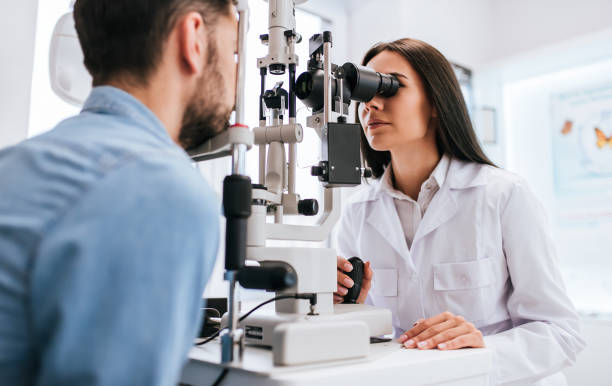
Doctor and patient in ophthalmology clinic Attractive female doctor ophthalmologist is checking the eye vision of handsome young man in modern clinic. Doctor and patient in ophthalmology clinic. eye doctor stock pictures, royalty-free photos & images

Discover How a Houston TX Optometrist Can Improve Your Vision and Eye Health

Optometrists play a vital role in maintaining and improving eye health for people of all ages. Understanding their responsibilities and the range of services they provide can help you take the right steps toward preserving your vision. This guide explores what optometrists do, when to visit one, and how they contribute to overall eye care.

What Is an Optometrist?

An optometrist is a licensed healthcare professional who specializes in primary vision care. They are trained to detect vision problems, prescribe corrective lenses, and manage various eye conditions. While they are not medical doctors like ophthalmologists, optometrists hold a Doctor of Optometry (OD) degree after completing extensive education and training.

Key Roles of an Optometrist

  • Assess visual acuity (e.g., nearsightedness or farsightedness).
  • Detect early signs of eye diseases such as glaucoma or cataracts.
  • Evaluate overall eye health through tests like retinal imaging or slit-lamp exams.
  • Recommend eyeglasses or contact lenses based on individual needs.
  • Provide specialized lenses for conditions like presbyopia or astigmatism.
  • Treat issues such as dry eyes, conjunctivitis (pink eye), or minor corneal injuries.
  • Offer guidance for managing digital eye strain or blue light exposure caused by prolonged screen time.
  • Educate patients about maintaining proper eye hygiene and habits.
  • Advise on protective eyewear for sports or occupational hazards.
  • Identify complex cases that require attention from ophthalmologists or other specialists, such as retinal experts or neurologists.

When Should You See an Optometrist?

  • Experiencing blurry vision, headaches, or difficulty focusing on objects.
  • Requiring a prescription update for eyeglasses or contact lenses.
  • Noticing symptoms like floaters, flashes of light, excessive tearing, redness, or discomfort.
  • Needing advice on managing age-related changes such as presbyopia (difficulty seeing nearby objects).

For adults with no significant risk factors or symptoms, the American Optometric Association recommends exams every two years for ages 18–64 and annually after age 65. Children should have their first comprehensive exam at six months old, followed by regular check-ups every one to two years.

Comparing Optometrists With Other Eye Care Professionals

Professional Education & Training Key Responsibilities Prescribes Medication? Performs Surgery?
Optometrist Doctor of Optometry (OD) Vision testing; managing common issues; referrals Yes No
Ophthalmologist Medical doctor specializing in eyes Treats complex conditions; performs surgeries Yes Yes
Orthoptist Specialized training in orthoptics Focuses on binocular vision & coordination No No

The Importance of Seeing an Optometrist Regularly

Routine appointments with your optometrist can be instrumental in preventing serious vision problems down the line. By addressing minor issues early and offering tailored solutions like corrective lenses or therapy recommendations, they help you maintain not only clear vision but also long-term ocular health.

Exploring the World of Orthoptists: Specialists in Eye Movement and Coordination

Orthoptists play a vital role in the field of vision care, specializing in diagnosing and managing disorders related to eye movement, alignment, and coordination. These professionals focus on improving binocular vision and treating conditions that affect how the eyes work together. Here’s a closer look at what orthoptists do and how they contribute to eye health.

What Does an Orthoptist Do?

  • Diagnosing Eye Movement Disorders: Orthoptists evaluate and diagnose issues such as strabismus (misalignment of the eyes), amblyopia (lazy eye), or nystagmus (involuntary eye movements).
  • Non-Surgical Treatment Options: They provide non-surgical treatments like vision therapy, prism glasses, or patching therapy for specific conditions.
  • Pre- and Post-Surgical Care: Orthoptists assist with preparing patients for surgical procedures related to strabismus or other ocular misalignment issues, as well as managing post-operative care.
  • Pediatric Vision Care: They often specialize in working with children who face challenges with visual development or coordination.

Common Conditions Treated by Orthoptists

Condition Description
Strabismus Misalignment of the eyes where they do not look at the same point simultaneously.
Amblyopia Also known as “lazy eye,” this condition occurs when one eye has reduced vision due to poor coordination during childhood.
Nystagmus Involuntary, repetitive movements of the eyes that can interfere with stable vision.
Convergence Insufficiency Difficulty focusing on near objects due to problems coordinating both eyes effectively.

When Should You See an Orthoptist?

  • Double vision or difficulty focusing on objects.
  • Issues with depth perception or hand-eye coordination.
  • Symptoms of misaligned eyes, especially noticeable in children.
  • Persistent headaches related to prolonged screen use or reading.

For parents, it is essential to book an evaluation if their child struggles with reading comprehension, frequently tilts their head while looking at objects, or shows signs of crossed or wandering eyes.

How Orthoptists Collaborate With Other Eye Health Professionals

  1. Ophthalmologists: For surgical interventions when necessary.
  2. Optometrists: For routine vision exams and prescribing corrective lenses.
  3. Neurologists: In cases where neurological disorders impact vision coordination.

By collaborating within this network, orthoptists ensure patients receive comprehensive care tailored to their specific needs.

Benefits of Consulting an Orthoptist

Seeking care from an orthoptist can help improve visual comfort and overall quality of life by addressing functional issues early on. Their expertise is particularly beneficial for children whose developing visual systems require timely intervention.

In summary, orthoptists are invaluable specialists focused on diagnosing and treating complex issues related to eye alignment and movement through non-invasive methods tailored for each patient’s unique situation. Understanding their role can help individuals make more informed decisions about their visual health care needs.

How Much Training Do Eye Health Professionals Undergo to Ensure Quality Care?

Eye health professionals play a vital role in maintaining and improving vision. To provide high-quality care, these specialists undergo extensive training, education, and certification. Here is a detailed look at the educational pathways and training requirements for different types of eye health professionals.

Educational Pathways for Eye Health Professionals

  1. Ophthalmologists
    Ophthalmologists are medical doctors (MDs) or doctors of osteopathic medicine (DOs) who specialize in diagnosing, treating, and performing surgery for eye-related conditions. Their training involves:
  2. A bachelor’s degree (4 years) with pre-medical coursework.
  3. Completing medical school (4 years), earning an MD or DO degree.
  4. Participating in a residency program focused on ophthalmology (3-4 years).
  5. Optional: Subspecialty fellowships (1-2 years) in areas like retina surgery or pediatric ophthalmology.
  6. Optometrists
    Optometrists are primary eye care providers specializing in vision tests, prescribing corrective lenses, and managing certain eye conditions like glaucoma. Their education includes:
  7. A bachelor’s degree, often with emphasis on sciences like biology or chemistry (4 years).
  8. Admission to a professional optometry school leading to a Doctor of Optometry (OD) degree (4 years).
  9. Some optometrists may complete a 1-year residency to specialize further.
  10. Orthoptists
    Orthoptists are allied health professionals specializing in diagnosing and treating disorders related to eye movements and binocular vision. Their training pathway generally involves:
  11. Earning a bachelor’s degree, typically in health sciences or biology (3-4 years).
  12. Completing a post-graduate program in orthoptics accredited by appropriate national boards (2 years).

Licensure and Continuing Education Requirements

  • For ophthalmologists, passing medical licensing exams such as the USMLE or COMLEX is mandatory before practicing medicine, followed by board certification from organizations like the American Board of Ophthalmology.
  • Optometrists must pass the National Board of Examiners in Optometry (NBEO) exam.
  • Orthoptists often require certification from international boards such as the International Orthoptic Association.

Continuing education is crucial for all practitioners to maintain certifications, keep up-to-date with innovative treatments, and improve clinical skills.

Training Timeline Overview

Professional Role Total Years of Education & Training Optional Specialization Time
Ophthalmologist 12-14+ 1-2 additional
Optometrist 8 1 additional
Orthoptist 5-6 N/A

The Importance of Rigorous Training

The extensive training required for eye health professionals ensures they can accurately diagnose complex conditions and implement effective treatments tailored to patients’ needs. This process not only builds expertise but also fosters trust between practitioners and patients seeking high-quality vision care services.

Woman Having Eye Examination at Doctor Woman Having Eye Examination at Doctor eye doctor stock pictures, royalty-free photos & images

When Is a Referral Required for Visiting an Eye Specialist?

Eye health is a critical aspect of overall well-being, and understanding when you need a referral to see an eye specialist is essential for proper care. Depending on the country, healthcare system, and nature of your eye condition, referral requirements may differ. Below is a detailed guide to help you navigate this process.

Situations That May Require a Referral

  • Glaucoma
  • Diabetic retinopathy
  • Age-related macular degeneration (AMD)
  • Cataract surgery
  • Retina repair
  • Sudden loss of vision
  • Severe eye pain
  • Persistent double vision

For these cases, your primary care physician or optometrist can assess your condition and provide the necessary referral for specialized treatment.

Specialists You Might Be Referred To

Specialist Area of Expertise
Ophthalmologist Medical and surgical treatment of eye diseases
Retina Specialist Conditions related to the retina such as AMD
Corneal Specialist Disorders affecting the cornea
Pediatric Ophthalmologist Eye conditions in children

Referral Policies by Healthcare Systems

  • Private Healthcare Systems:
    In some private healthcare systems, referrals may not be mandatory. Patients can directly book appointments with specialists; however, insurance coverage may vary without prior approval.
  • Public Healthcare Systems:
    Countries with public healthcare systems often require referrals from general practitioners (GPs) or optometrists to manage patient flow and ensure appropriate use of medical resources.

Benefits of Obtaining a Referral

  1. Ensures accurate diagnosis through initial assessment.
  2. Facilitates access to specialists equipped with advanced tools.
  3. Provides better coordination among healthcare professionals.
  4. Often results in improved insurance coverage for specialized treatments.

How to Obtain a Referral

  1. Visiting your primary care physician or optometrist for an examination.
  2. Discussing symptoms thoroughly so they can determine if specialized care is needed.
  3. Receiving documentation or electronic communication from your provider outlining why you need to see an eye specialist.

Understanding when and why you may require a referral helps streamline your path toward effective treatment while ensuring efficient use of medical resources tailored to your needs. Always consult with your healthcare provider if you’re uncertain about the next steps for managing your eye health concerns.

Visiting an Eye Health Professional: What to Expect During Your Appointment

Scheduling an appointment with an eye health professional is a crucial step in maintaining your vision and protecting your overall eye health. Whether you’re visiting for routine care or addressing specific concerns, knowing what to expect can help you feel more prepared and confident.

Preparing for Your Visit

Before heading to your appointment, it’s essential to take a few steps to ensure the process goes smoothly:
List Symptoms or Concerns: Write down any symptoms you’ve been experiencing, such as blurry vision, dry eyes, or discomfort.
Bring Essential Documents: Make sure to carry your insurance information, identification, and any prior prescriptions or medical records related to your eyes.
Know Your Medical History: Be ready to discuss family history of eye conditions like glaucoma or macular degeneration.
Prepare Any Questions: Jot down any questions you have about your eye health or treatments.

The Process of the Appointment

  1. Upon arrival, you’ll complete forms detailing your medical history and current medications.
  2. A technician may ask you questions about your visual habits—such as the amount of time spent on screens—and any specific changes in vision you’ve noticed.
  3. Technicians often begin by measuring visual acuity with a standard eye chart.
    • Pupil response assessments
    • Eye pressure measurement (often using tonometry)
    • Visual field testing to assess peripheral vision
  4. Comprehensive Eye Examination
    An optometrist or ophthalmologist will perform an in-depth evaluation that may include:
  5. Slit-lamp examination of the front structures of the eye (cornea, lens, iris).
  6. Dilating drops may be used for a closer inspection of the retina and optic nerve at the back of the eye.
  7. Diagnosis and Discussion
    After completing the exam, the professional will discuss their findings with you and answer any questions regarding your diagnosis or treatment options.

Common Tests You Might Encounter

Test Name Purpose What It Involves
Visual Acuity Test Measures clarity of vision Reading letters on an eye chart
Tonometry Checks for elevated intraocular pressure Puff of air or small probe on cornea
Refraction Test Determines prescription needs Looking through lenses at various strengths
Dilated Fundus Exam Evaluates retina and optic nerve health Use of dilating drops for detailed view

Tips for Post-Appointment Care

After seeing an eye health professional:
– Follow recommendations given during your visit for lifestyle adjustments if needed (e.g., reducing screen time).
– Fill prescribed glasses or contact lenses promptly if required. – Schedule follow-up appointments based on their guidance—typically every one to two years for routine care but sooner if treating conditions like glaucoma.

By understanding what happens during an appointment, patients can better advocate for their own care while fostering long-term healthy vision practices.

Visiting an Eye Health Professional: What to Expect During Your Appointment

Regular visits to an eye health professional are essential for maintaining optimal vision and detecting potential issues early. Whether it’s your first visit or a follow-up, understanding what happens during an appointment can help you feel more prepared and confident. Here’s a detailed guide on what typically occurs during an eye care appointment.

Step 1: Patient History and Discussion

  • Any vision problems you’re experiencing (e.g., blurry vision, difficulty seeing at night).
  • Family history of eye conditions like glaucoma or macular degeneration.
  • Current medications that may affect your eyes.
  • Overall health conditions, including diabetes or hypertension.

This information helps the eye professional assess risk factors and tailor the examination to your needs.

Step 2: Preliminary Testing

  1. Measures how clearly you see at different distances using an eye chart.
  2. Examines how your pupils react to light.
  3. Screens for glaucoma by measuring the pressure inside your eyes.
  4. Checks the range of your side (peripheral) vision.

These initial assessments provide valuable insights into the overall condition of your eyes.

Step 3: Comprehensive Eye Examination

Test Name Purpose
Refraction Assessment Determines if you need glasses/contact lenses and identifies prescription strength.
Slit-Lamp Examination Uses a microscope with bright light to examine structures in the front part of the eye (e.g., cornea, iris).
Retinal Examination Evaluates the back of your eye (retina) for signs of disease using special lenses or imaging tools.
Dilation Procedure Involves dilating drops that enlarge pupils for better visibility of internal structures; may cause temporary sensitivity to light.

These tests allow the practitioner to detect potential issues such as cataracts, retinal damage, or other underlying conditions.

Step 4: Diagnosis and Recommendations

  • The nature of any diagnosed condition.
  • Recommended treatment options (e.g., medication, corrective lenses).
  • Preventive measures to maintain long-term eye health.
  • Need for follow-up appointments or referrals if specialist care is required.

Feel free to ask questions during this discussion to fully understand your diagnosis and treatment plan.

Tips for a Successful Visit

  1. Bring any current eyeglasses or contact lenses with you.
  2. Write down symptoms or questions ahead of time so nothing is overlooked.
  3. Plan for someone else to drive if dilation is part of your exam.
  4. Inform staff about any allergies or sensitivities beforehand (e.g., reactions to eyedrops).

By being prepared and informed about what happens during an appointment, you’ll have a smoother experience while prioritizing your visual health effectively.

Regular check-ups with an eye health professional are key not only for addressing current concerns but also ensuring early detection of serious conditions like glaucoma or diabetic retinopathy—both crucial steps in preserving lifelong vision quality.


Understanding the Roles of a Houston TX Eye Doctor: Optometrists, Ophthalmologists, and Opticians

Close up of woman during eye laser surgery at ophthalmology clinic. Close up of female patient having laser surgery at eye clinic. eye doctor stock pictures, royalty-free photos & images

Eye care is an essential part of maintaining overall health, but understanding the different roles that eye care professionals play can often be confusing. Optometrists, ophthalmologists, and opticians each have distinct responsibilities in the field of vision care. Here’s a breakdown of their unique roles to help you better understand whom to visit based on your needs.

Optometrists: Primary Vision Care Providers

Optometrists are healthcare professionals who specialize in primary vision care. They are often the first point of contact for individuals experiencing vision problems or seeking routine eye exams.

Responsibilities of an Optometrist: – Conducting comprehensive eye exams – Diagnosing common eye conditions such as glaucoma, dry eye, and macular degeneration – Prescribing corrective lenses (glasses or contact lenses) – Providing treatment for some medical eye conditions through medications

Education and Credentials: – A Doctor of Optometry (OD) degree, obtained after completing a 4-year optometry program – Licensure is required to practice

Optometrists primarily focus on correcting refractive errors and addressing non-surgical concerns.

Ophthalmologists: Medical Doctors for Eye Health

Ophthalmologists are medical doctors (MDs or DOs) specializing in the diagnosis, treatment, and surgical management of eye diseases.

Responsibilities of an Ophthalmologist: – Treating advanced or complex eye diseases – Performing surgeries such as cataract removal, LASIK, and glaucoma surgery – Prescribing medications for serious conditions like uveitis or retinal detachment – Conducting advanced diagnostic testing

Education and Credentials:
Ophthalmologists undergo extensive training: 1. Undergraduate degree (4 years) 2. Medical school (4 years) 3. Residency in ophthalmology (3–4 years) 4. Optional fellowships for sub-specialization in areas such as retina or cornea surgery

If your condition requires surgical intervention or advanced medical care, an ophthalmologist is the right specialist to consult.

Opticians: Specialists in Eyewear

Unlike optometrists and ophthalmologists, opticians do not diagnose or treat medical conditions. Instead, they specialize in crafting eyewear based on prescriptions provided by optometrists or ophthalmologists.

Responsibilities of an Optician: – Fitting and adjusting eyeglasses – Helping customers select appropriate frames or lens types – Assisting with contact lens fittings under the guidance of a licensed professional

Education and Credentials:
Opticians typically undergo vocational training or earn certifications through programs lasting 1–2 years. In some states or countries, licensure may also be required.

Key Differences at a Glance

Professional Education & Training Key Services Provided Can Perform Surgery?
Optometrist OD degree; 7–8 years total Routine exams; prescribing glasses No
Ophthalmologist MD/DO plus residency; ~12+ yrs Advanced diagnosis & surgeries Yes
Optician Vocational training; ~1–2 yrs Fitting glasses & lenses No

Summary

Knowing the differences between optometrists, ophthalmologists, and opticians can help you make informed decisions about your eye care needs. Whether you require routine vision correction, assistance selecting eyewear, or specialized surgical treatments for complex conditions, each professional plays a vital role in preserving your eyesight.

Discover How a Houston TX Optometrist Can Help Care for Your Eyes

Eye care professionals play unique and vital roles in maintaining and improving your vision. Understanding their distinct responsibilities can help you determine whom to consult for specific eye-related concerns. Below is an overview of the scope of practice for optometrists, ophthalmologists, and opticians.

Optometrists: Primary Vision Care Providers

Optometrists (ODs) are healthcare professionals who specialize in primary vision care. They are trained to detect, diagnose, and treat various eye conditions while also managing overall eye health. Their scope of practice includes:
– Performing comprehensive eye exams to assess vision and detect abnormalities.
– Prescribing corrective lenses such as glasses or contact lenses.
– Diagnosing common eye conditions, such as dry eye syndrome, glaucoma, macular degeneration, and cataracts.
– Providing non-surgical treatments for certain conditions like glaucoma or infections. – Offering preoperative evaluations and postoperative care for surgical patients in collaboration with ophthalmologists.

When to See an Optometrist: If you’re experiencing blurry vision, headaches related to visual strain, or need a routine vision checkup or a new prescription.

Ophthalmologists: Medical Eye Doctors and Surgeons

Ophthalmologists (MDs or DOs) are medical doctors specializing in advanced medical and surgical care for the eyes. They receive extensive training that qualifies them to treat complex and severe eye conditions. Their expertise covers:
– Diagnosing and treating a wide range of diseases like diabetic retinopathy, retinal detachment, cataracts, glaucoma, and corneal disorders.
– Performing surgeries such as LASIK (laser-assisted in situ keratomileusis), cataract removal, retinal repair procedures, or corneal transplants.
– Managing rare diseases that affect both the eyes and systemic health (e.g., uveitis).
– Administering advanced treatments like injections for macular degeneration or other retinal diseases.

When to See an Ophthalmologist: If you need specialized treatment beyond the scope of an optometrist or require surgical intervention.

Opticians: Experts in Eyewear Fitting

Opticians focus on helping patients select eyewear that fits their prescription needs as well as their personal preferences regarding frames or lenses. Although opticians do not diagnose or treat eye conditions themselves, they play a critical role in ensuring optimal vision correction through properly fitted eyewear.

Their key responsibilities include: – Interpreting prescriptions from optometrists or ophthalmologists to craft custom lenses. – Helping patients choose frames based on face shape, comfort, lifestyle needs (e.g., sports eyewear), or aesthetic preferences. – Adjusting glasses to ensure proper fit for comfort and function. – Educating customers about lens options such as anti-reflective coatings or blue-light filtering technology.

When to See an Optician: When you need new glasses fitted correctly after receiving your prescription from an optometrist or ophthalmologist.

Summary Table of Scope of Practice

Eye Care Specialist Primary Role Common Services Provided
Optometrist Vision care provider Eye exams; prescriptions; treatment for minor eye conditions
Ophthalmologist Medical doctor & surgeon Surgery; treatment of complex diseases; advanced diagnostics
Optician Eyewear fitting specialist Frames selection; lens crafting & adjustments

By understanding what each type of professional can do within their respective scopes of practice, you’ll be better equipped to seek out the right expert tailored specifically to your needs.

Ophthalmologist examining patient's eyes Ophthalmologist examining patient's eyes eye doctor stock pictures, royalty-free photos & images

Comprehensive Guide to Optometry Houston TX: Eye Care Specialists and Their Roles

Understanding the roles of eye care professionals is essential for addressing specific vision concerns. Optometrists, ophthalmologists, and opticians each have distinct areas of expertise, ensuring comprehensive care for your eyes. Below, we explore the scope of practice for these professionals and how their skills contribute to maintaining optimal eye health.

Optometrists: Primary Eye Care Providers

  • Vision Testing and Correction: Conducting comprehensive eye exams to diagnose refractive errors such as myopia, hyperopia, astigmatism, and presbyopia. They also prescribe eyeglasses or contact lenses as needed.
  • Diagnosing Eye Conditions: Detecting conditions such as glaucoma, cataracts, macular degeneration, and diabetic retinopathy.
  • Non-Surgical Treatments: Offering treatments for dry eye syndrome, infections, or allergies through medication or specialized therapies.
  • Preventive Care: Providing lifestyle recommendations to maintain healthy eyes and prevent future problems.

Ophthalmologists: Medical and Surgical Experts

  • Surgical Interventions: Performing surgeries like cataract removal, LASIK (laser-assisted in situ keratomileusis), retinal repairs, or corneal transplants.
  • Comprehensive Disease Management: Treating severe conditions such as advanced glaucoma or retinal detachment with both medical therapies and surgical techniques.
  • Specialized Areas: Some ophthalmologists focus on subspecialties like pediatric ophthalmology (focused on children’s vision) or neuro-ophthalmology (addressing the connection between the brain and sight).
Procedure/Condition Optometrist Ophthalmologist
Routine Eye Examination ✔️ ✔️
Eyeglass Prescription ✔️ ✔️
LASIK Surgery ✔️
Glaucoma Treatment Limited ✔️

Opticians: Visual Aid Specialists

  • Eyewear Fitting: Assisting patients with selecting frames that suit their prescription needs as well as their personal style preferences.
  • Lens Customization: Preparing lenses tailored to address specific corrections such as bifocals or progressive lenses.
  • Repairs and Adjustments: Fixing broken frames or adjusting them for comfort.

By understanding the scope of practice for optometrists, ophthalmologists, and opticians, patients can better navigate their eye care journey depending on their vision needs—from routine check-ups to specialized treatment plans involving surgery or advanced eyewear solutions.

Sudden Changes in Vision

  • Blurriness: If you experience sudden or persistent blurry vision, it could be a symptom of a serious condition such as cataracts, glaucoma, or diabetic retinopathy.
  • Double Vision: Seeing two images instead of one may indicate muscle imbalances in your eyes or neurological issues that require immediate attention.
  • Loss of Peripheral Vision: A narrowing field of vision might be due to conditions like glaucoma.

Chronic Eye Discomfort

  • Eye Pain: Persistent or sharp pain in the eyes is not normal and could signify problems such as corneal abrasions or uveitis.
  • Dry Eyes: Constant dryness accompanied by irritation may lead to chronic conditions if untreated.

Visible Changes in Your Eyes

  • Redness and Swelling: While occasional redness can be harmless, ongoing inflammation might indicate infections like conjunctivitis or more severe conditions.
  • Cloudy Appearance: A milky look on the cornea can point to cataracts.
  • Unusual Pupillary Changes: Pupils that don’t react properly to light may suggest underlying neurological concerns.

Difficulty Seeing at Night

Poor night vision could signal vitamin A deficiency or early signs of retinal degeneration.

Headaches Linked to Eye Strain

Frequent headaches—especially after reading, computer use, or other visually demanding tasks—might stem from refractive errors like astigmatism or farsightedness.

When to Seek Immediate Medical Attention

Some symptoms necessitate urgent care from an ophthalmologist: | Symptom | Possible Condition | Action Required | |————————-|————————————————–|—————————————–| | Flashes of Light | Retinal detachment | Emergency evaluation | | Sudden Loss of Vision | Stroke, retinal occlusion | Immediate medical treatment | | Severe Eye Trauma | Injury resulting in bleeding or fractures | Emergency treatment | | Foreign Object in Eye | Risk of infection/abrasion | Prompt removal by a professional |

Routine Checkups Are Also Important

Even if you aren’t experiencing symptoms, regular visits ensure problems are detected early: 1. For Children: First eye exam at 6 months old; follow-ups every 1–2 years depending on age and risk factors.
2. For Adults: Every 1–2 years for individuals without known risk factors; annually for those with existing conditions like diabetes.

Taking proactive steps toward eye health ensures better quality of life and reduces the risk of preventable vision loss. If you’re unsure whether you need an appointment, it’s always better to err on the side of caution by consulting a qualified eye doctor.

Comparing the Roles of Optometrists, Ophthalmologists, and Opticians for Comprehensive Vision Care

Understanding the distinctions between optometrists, ophthalmologists, and opticians is essential for making informed decisions about your eye care. Each of these professionals plays a vital role in maintaining your vision and addressing eye health concerns. Below is an overview of their unique roles and how they contribute to comprehensive vision care.

Optometrists: Your Primary Vision Care Providers

  • Conducting Comprehensive Eye Exams: Optometrists assess visual acuity and prescribe corrective lenses if necessary.
  • Identifying Eye Diseases: Conditions such as glaucoma or macular degeneration can be detected during routine checkups.
  • Providing Vision Therapy: They may recommend exercises or therapies to correct issues such as lazy eye or focusing problems.
  • Managing Chronic Eye Conditions: Conditions like dry eye syndrome or mild cataracts often fall under their scope of care.
Education and Licensing:
  • Hold a Doctor of Optometry (OD) degree after completing four years at an accredited optometry school.
  • Licensed to prescribe glasses, contact lenses, and some medications for minor eye conditions.

Ophthalmologists: The Medical Specialists in Eye Health

  • Performing Eye Surgeries: Procedures like cataract removal, LASIK surgery, or retinal repairs fall under their expertise.
  • Diagnosing Severe Eye Conditions: They manage advanced diseases such as diabetic retinopathy or advanced-stage glaucoma.
  • Specialized Treatments: Many ophthalmologists develop subspecialties in fields such as pediatric ophthalmology or ocular oncology.
Education and Training:
  • Complete medical school (MD or DO), followed by a residency in ophthalmology lasting at least four years.
  • Extensive training ensures they can provide both routine care and advanced treatments.

Opticians: Experts in Eyewear Fitment

  • Interpreting Prescriptions: They work closely with prescriptions provided by optometrists and ophthalmologists.
  • Fitting Eyeglasses & Contact Lenses: Ensuring proper alignment for optimal vision correction.
  • Repairing Eyewear: Adjusting frames for comfort or fixing minor issues with glasses.
Education:

Typically require vocational training or certification programs focused on eyewear technology.

Role Education Level Primary Responsibilities
Optometrist Doctorate (OD) Routine exams, prescribing lenses & managing conditions
Ophthalmologist Medical Degree + Residency Surgery, treatment of complex diseases
Optician Certification/Training Program Glasses fitting & prescription interpretation

Choosing the Right Professional

When selecting an eye care provider: 1. Visit an optometrist for general exams and prescription needs. 2. Consult an ophthalmologist for specialized medical treatments or surgeries. 3. Rely on an optician to ensure proper eyewear fitment after receiving your prescription.

By understanding these distinct roles, you can ensure your eyes receive the appropriate level of care based on your specific needs.