


Eye care is an essential part of maintaining overall health, but understanding the different roles that eye care professionals play can often be confusing. Optometrists, ophthalmologists, and opticians each have distinct responsibilities in the field of vision care. Here’s a breakdown of their unique roles to help you better understand whom to visit based on your needs.
Optometrists: Primary Vision Care Providers
Optometrists are healthcare professionals who specialize in primary vision care. They are often the first point of contact for individuals experiencing vision problems or seeking routine eye exams.
Responsibilities of an Optometrist: – Conducting comprehensive eye exams – Diagnosing common eye conditions such as glaucoma, dry eye, and macular degeneration – Prescribing corrective lenses (glasses or contact lenses) – Providing treatment for some medical eye conditions through medications
Education and Credentials: – A Doctor of Optometry (OD) degree, obtained after completing a 4-year optometry program – Licensure is required to practice
Optometrists primarily focus on correcting refractive errors and addressing non-surgical concerns.
Ophthalmologists: Medical Doctors for Eye Health
Ophthalmologists are medical doctors (MDs or DOs) specializing in the diagnosis, treatment, and surgical management of eye diseases.
Responsibilities of an Ophthalmologist: – Treating advanced or complex eye diseases – Performing surgeries such as cataract removal, LASIK, and glaucoma surgery – Prescribing medications for serious conditions like uveitis or retinal detachment – Conducting advanced diagnostic testing
Education and Credentials:
Ophthalmologists undergo extensive training: 1. Undergraduate degree (4 years) 2. Medical school (4 years) 3. Residency in ophthalmology (3–4 years) 4. Optional fellowships for sub-specialization in areas such as retina or cornea surgery
If your condition requires surgical intervention or advanced medical care, an ophthalmologist is the right specialist to consult.
Opticians: Specialists in Eyewear
Unlike optometrists and ophthalmologists, opticians do not diagnose or treat medical conditions. Instead, they specialize in crafting eyewear based on prescriptions provided by optometrists or ophthalmologists.
Responsibilities of an Optician: – Fitting and adjusting eyeglasses – Helping customers select appropriate frames or lens types – Assisting with contact lens fittings under the guidance of a licensed professional
Education and Credentials:
Opticians typically undergo vocational training or earn certifications through programs lasting 1–2 years. In some states or countries, licensure may also be required.
Key Differences at a Glance
| Professional | Education & Training | Key Services Provided | Can Perform Surgery? |
| Optometrist | OD degree; 7–8 years total | Routine exams; prescribing glasses | No |
| Ophthalmologist | MD/DO plus residency; ~12+ yrs | Advanced diagnosis & surgeries | Yes |
| Optician | Vocational training; ~1–2 yrs | Fitting glasses & lenses | No |
Summary
Knowing the differences between optometrists, ophthalmologists, and opticians can help you make informed decisions about your eye care needs. Whether you require routine vision correction, assistance selecting eyewear, or specialized surgical treatments for complex conditions, each professional plays a vital role in preserving your eyesight.
Discover How a Houston TX Optometrist Can Help Care for Your Eyes
Eye care professionals play unique and vital roles in maintaining and improving your vision. Understanding their distinct responsibilities can help you determine whom to consult for specific eye-related concerns. Below is an overview of the scope of practice for optometrists, ophthalmologists, and opticians.
Optometrists: Primary Vision Care Providers
Optometrists (ODs) are healthcare professionals who specialize in primary vision care. They are trained to detect, diagnose, and treat various eye conditions while also managing overall eye health. Their scope of practice includes:
– Performing comprehensive eye exams to assess vision and detect abnormalities.
– Prescribing corrective lenses such as glasses or contact lenses.
– Diagnosing common eye conditions, such as dry eye syndrome, glaucoma, macular degeneration, and cataracts.
– Providing non-surgical treatments for certain conditions like glaucoma or infections. – Offering preoperative evaluations and postoperative care for surgical patients in collaboration with ophthalmologists.
When to See an Optometrist: If you’re experiencing blurry vision, headaches related to visual strain, or need a routine vision checkup or a new prescription.
Ophthalmologists: Medical Eye Doctors and Surgeons
Ophthalmologists (MDs or DOs) are medical doctors specializing in advanced medical and surgical care for the eyes. They receive extensive training that qualifies them to treat complex and severe eye conditions. Their expertise covers:
– Diagnosing and treating a wide range of diseases like diabetic retinopathy, retinal detachment, cataracts, glaucoma, and corneal disorders.
– Performing surgeries such as LASIK (laser-assisted in situ keratomileusis), cataract removal, retinal repair procedures, or corneal transplants.
– Managing rare diseases that affect both the eyes and systemic health (e.g., uveitis).
– Administering advanced treatments like injections for macular degeneration or other retinal diseases.
When to See an Ophthalmologist: If you need specialized treatment beyond the scope of an optometrist or require surgical intervention.
Opticians: Experts in Eyewear Fitting
Opticians focus on helping patients select eyewear that fits their prescription needs as well as their personal preferences regarding frames or lenses. Although opticians do not diagnose or treat eye conditions themselves, they play a critical role in ensuring optimal vision correction through properly fitted eyewear.
Their key responsibilities include: – Interpreting prescriptions from optometrists or ophthalmologists to craft custom lenses. – Helping patients choose frames based on face shape, comfort, lifestyle needs (e.g., sports eyewear), or aesthetic preferences. – Adjusting glasses to ensure proper fit for comfort and function. – Educating customers about lens options such as anti-reflective coatings or blue-light filtering technology.
When to See an Optician: When you need new glasses fitted correctly after receiving your prescription from an optometrist or ophthalmologist.
Summary Table of Scope of Practice
| Eye Care Specialist | Primary Role | Common Services Provided |
| Optometrist | Vision care provider | Eye exams; prescriptions; treatment for minor eye conditions |
| Ophthalmologist | Medical doctor & surgeon | Surgery; treatment of complex diseases; advanced diagnostics |
| Optician | Eyewear fitting specialist | Frames selection; lens crafting & adjustments |
By understanding what each type of professional can do within their respective scopes of practice, you’ll be better equipped to seek out the right expert tailored specifically to your needs.
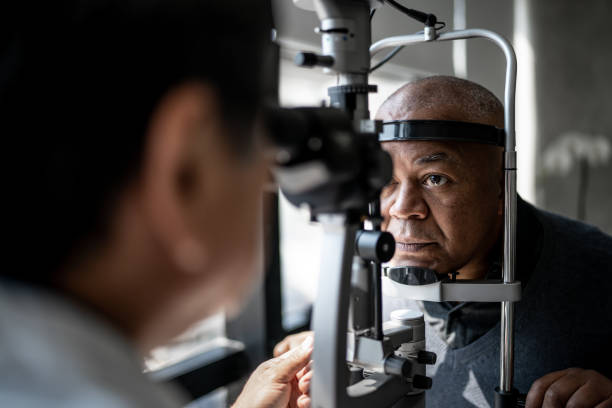
Comprehensive Guide to Optometry Houston TX: Eye Care Specialists and Their Roles
Understanding the roles of eye care professionals is essential for addressing specific vision concerns. Optometrists, ophthalmologists, and opticians each have distinct areas of expertise, ensuring comprehensive care for your eyes. Below, we explore the scope of practice for these professionals and how their skills contribute to maintaining optimal eye health.
Optometrists: Primary Eye Care Providers
- Vision Testing and Correction: Conducting comprehensive eye exams to diagnose refractive errors such as myopia, hyperopia, astigmatism, and presbyopia. They also prescribe eyeglasses or contact lenses as needed.
- Diagnosing Eye Conditions: Detecting conditions such as glaucoma, cataracts, macular degeneration, and diabetic retinopathy.
- Non-Surgical Treatments: Offering treatments for dry eye syndrome, infections, or allergies through medication or specialized therapies.
- Preventive Care: Providing lifestyle recommendations to maintain healthy eyes and prevent future problems.
Ophthalmologists: Medical and Surgical Experts
- Surgical Interventions: Performing surgeries like cataract removal, LASIK (laser-assisted in situ keratomileusis), retinal repairs, or corneal transplants.
- Comprehensive Disease Management: Treating severe conditions such as advanced glaucoma or retinal detachment with both medical therapies and surgical techniques.
- Specialized Areas: Some ophthalmologists focus on subspecialties like pediatric ophthalmology (focused on children’s vision) or neuro-ophthalmology (addressing the connection between the brain and sight).
| Procedure/Condition | Optometrist | Ophthalmologist |
| Routine Eye Examination | ✔️ | ✔️ |
| Eyeglass Prescription | ✔️ | ✔️ |
| LASIK Surgery | ❌ | ✔️ |
| Glaucoma Treatment | Limited | ✔️ |
Opticians: Visual Aid Specialists
- Eyewear Fitting: Assisting patients with selecting frames that suit their prescription needs as well as their personal style preferences.
- Lens Customization: Preparing lenses tailored to address specific corrections such as bifocals or progressive lenses.
- Repairs and Adjustments: Fixing broken frames or adjusting them for comfort.
By understanding the scope of practice for optometrists, ophthalmologists, and opticians, patients can better navigate their eye care journey depending on their vision needs—from routine check-ups to specialized treatment plans involving surgery or advanced eyewear solutions.
Sudden Changes in Vision
- Blurriness: If you experience sudden or persistent blurry vision, it could be a symptom of a serious condition such as cataracts, glaucoma, or diabetic retinopathy.
- Double Vision: Seeing two images instead of one may indicate muscle imbalances in your eyes or neurological issues that require immediate attention.
- Loss of Peripheral Vision: A narrowing field of vision might be due to conditions like glaucoma.
Chronic Eye Discomfort
- Eye Pain: Persistent or sharp pain in the eyes is not normal and could signify problems such as corneal abrasions or uveitis.
- Dry Eyes: Constant dryness accompanied by irritation may lead to chronic conditions if untreated.
Visible Changes in Your Eyes
- Redness and Swelling: While occasional redness can be harmless, ongoing inflammation might indicate infections like conjunctivitis or more severe conditions.
- Cloudy Appearance: A milky look on the cornea can point to cataracts.
- Unusual Pupillary Changes: Pupils that don’t react properly to light may suggest underlying neurological concerns.
Difficulty Seeing at Night
Poor night vision could signal vitamin A deficiency or early signs of retinal degeneration.
Headaches Linked to Eye Strain
Frequent headaches—especially after reading, computer use, or other visually demanding tasks—might stem from refractive errors like astigmatism or farsightedness.
When to Seek Immediate Medical Attention
Some symptoms necessitate urgent care from an ophthalmologist: | Symptom | Possible Condition | Action Required | |————————-|————————————————–|—————————————–| | Flashes of Light | Retinal detachment | Emergency evaluation | | Sudden Loss of Vision | Stroke, retinal occlusion | Immediate medical treatment | | Severe Eye Trauma | Injury resulting in bleeding or fractures | Emergency treatment | | Foreign Object in Eye | Risk of infection/abrasion | Prompt removal by a professional |
Routine Checkups Are Also Important
Even if you aren’t experiencing symptoms, regular visits ensure problems are detected early: 1. For Children: First eye exam at 6 months old; follow-ups every 1–2 years depending on age and risk factors.
2. For Adults: Every 1–2 years for individuals without known risk factors; annually for those with existing conditions like diabetes.
Taking proactive steps toward eye health ensures better quality of life and reduces the risk of preventable vision loss. If you’re unsure whether you need an appointment, it’s always better to err on the side of caution by consulting a qualified eye doctor.
Comparing the Roles of Optometrists, Ophthalmologists, and Opticians for Comprehensive Vision Care
Understanding the distinctions between optometrists, ophthalmologists, and opticians is essential for making informed decisions about your eye care. Each of these professionals plays a vital role in maintaining your vision and addressing eye health concerns. Below is an overview of their unique roles and how they contribute to comprehensive vision care.
Optometrists: Your Primary Vision Care Providers
- Conducting Comprehensive Eye Exams: Optometrists assess visual acuity and prescribe corrective lenses if necessary.
- Identifying Eye Diseases: Conditions such as glaucoma or macular degeneration can be detected during routine checkups.
- Providing Vision Therapy: They may recommend exercises or therapies to correct issues such as lazy eye or focusing problems.
- Managing Chronic Eye Conditions: Conditions like dry eye syndrome or mild cataracts often fall under their scope of care.
Education and Licensing:
- Hold a Doctor of Optometry (OD) degree after completing four years at an accredited optometry school.
- Licensed to prescribe glasses, contact lenses, and some medications for minor eye conditions.
Ophthalmologists: The Medical Specialists in Eye Health
- Performing Eye Surgeries: Procedures like cataract removal, LASIK surgery, or retinal repairs fall under their expertise.
- Diagnosing Severe Eye Conditions: They manage advanced diseases such as diabetic retinopathy or advanced-stage glaucoma.
- Specialized Treatments: Many ophthalmologists develop subspecialties in fields such as pediatric ophthalmology or ocular oncology.
Education and Training:
- Complete medical school (MD or DO), followed by a residency in ophthalmology lasting at least four years.
- Extensive training ensures they can provide both routine care and advanced treatments.
Opticians: Experts in Eyewear Fitment
- Interpreting Prescriptions: They work closely with prescriptions provided by optometrists and ophthalmologists.
- Fitting Eyeglasses & Contact Lenses: Ensuring proper alignment for optimal vision correction.
- Repairing Eyewear: Adjusting frames for comfort or fixing minor issues with glasses.
Education:
Typically require vocational training or certification programs focused on eyewear technology.
| Role | Education Level | Primary Responsibilities |
| Optometrist | Doctorate (OD) | Routine exams, prescribing lenses & managing conditions |
| Ophthalmologist | Medical Degree + Residency | Surgery, treatment of complex diseases |
| Optician | Certification/Training Program | Glasses fitting & prescription interpretation |
Choosing the Right Professional
When selecting an eye care provider: 1. Visit an optometrist for general exams and prescription needs. 2. Consult an ophthalmologist for specialized medical treatments or surgeries. 3. Rely on an optician to ensure proper eyewear fitment after receiving your prescription.
By understanding these distinct roles, you can ensure your eyes receive the appropriate level of care based on your specific needs.
- Understanding the Role of a Houston TX Optometrist and Key Questions to Ask
- How Optometry Houston TX Professionals Recommend Eye Exam Frequency for Adults and Why It Matters
- Discover the Services a Houston TX Optometrist Offers to Improve Your Vision
- Exploring the Importance of Optometry Houston TX in Vision Care
- Understanding the Roles of a Houston TX Eye Doctor: Optometrists, Ophthalmologists, and Opticians
- Comprehensive Eye Exams with a Trusted Houston TX Eye Doctor
- How Often Should You Visit a Houston TX Eye Doctor for a Comprehensive Eye Exam?
- How Optometry Houston TX Services Can Help Maintain Your Eye Health