

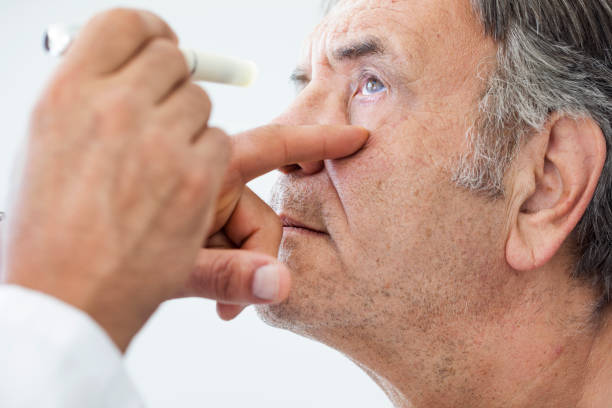
Eye health professionals play a critical role in maintaining and improving vision health. From diagnosing conditions to offering preventative care and treatment, these specialists ensure individuals receive the best care for their eyes. Understanding their roles is essential for anyone seeking comprehensive eye care.
Types of Eye Health Professionals
- Ophthalmologists
Ophthalmologists are medical doctors specializing in eye and vision care. They can perform surgeries, treat complex diseases, and prescribe medications or corrective lenses. - Optometrists
Optometrists focus on diagnosing and managing common eye problems like nearsightedness or farsightedness. They also provide general vision testing and prescribe glasses or contact lenses. - Orthoptists
These specialists primarily work with patients experiencing issues related to eye coordination or movement, such as strabismus (misaligned eyes) or amblyopia (lazy eye). - Opticians
Opticians partner with optometrists and ophthalmologists to fit corrective eyewear such as glasses or contact lenses based on prescriptions.
Common Eye Conditions Managed by Specialists
| Condition | Description | Specialist Primarily Involved |
| Cataracts | Clouding of the lens leading to blurry vision | Ophthalmologist |
| Glaucoma | Increased pressure inside the eye that can damage the optic nerve | Ophthalmologist |
| Refractive Errors | Vision issues like myopia (nearsightedness) or hyperopia (farsightedness) | Optometrist |
| Strabismus | Misalignment of the eyes | Orthoptist |
| Diabetic Retinopathy | Damage to retinal blood vessels due to diabetes | Ophthalmologist/Ocular Specialist |
The Importance of Routine Eye Exams
Regular visits to an eye doctor are vital in detecting potential issues early—even before symptoms appear. Comprehensive exams not only help preserve vision but can also identify systemic health problems such as diabetes, hypertension, and even brain tumors.
- Early detection of age-related conditions like macular degeneration.
- Monitoring for complications related to chronic illnesses like diabetes.
- Regular updates to prescriptions for glasses or contact lenses.
- Identification of strain caused by prolonged digital screen use.
When Should You Visit an Eye Health Professional?
- Sudden loss of vision
- Persistent eye pain or redness
- Flashes or floaters in your visual field
- Difficulty focusing on objects
- Frequent headaches associated with visual strain
By understanding the specific roles performed by different professionals within this field, you’ll be better equipped to seek specialized care when needed—ensuring optimal long-term vision health.
What Does a Houston TX Eye Doctor Do and When Should You Visit One
Ophthalmologists are medical doctors who specialize in the diagnosis, treatment, and management of eye conditions and visual disorders. They play a critical role in preserving vision and addressing a wide range of eye-related health issues. Below is a detailed look at their responsibilities, services they provide, and when you should consider consulting an ophthalmologist.
Discover the Services Offered by an Eye Clinic Houston TX
- Diagnosis: Identifying eye conditions such as cataracts, glaucoma, diabetic retinopathy, macular degeneration, and more.
- Treatment: Providing medications (e.g., eye drops) or surgical interventions to manage conditions.
- Cataract surgery
- LASIK or other refractive surgeries
- Retinal detachment repair
- Glaucoma surgeries
- Corneal transplants
- Preventive Care: Offering routine eye exams to detect early signs of disease.
- Specialized Care: Managing complex conditions that require advanced knowledge in subspecialties like retina, pediatrics, or oculoplastics.
When Should You See an Ophthalmologist?
- Blurry vision that does not improve with corrective lenses
- Sudden loss or partial loss of vision
- Double vision
- Severe pain inside the eyes or around them
- Sensitivity to light (photophobia)
- Chronic redness accompanied by pain
- Eye injuries caused by accidents or physical impact
- Exposure to foreign objects like debris or chemicals
- Medical Conditions Affecting Eyesight: People with certain systemic health problems should regularly visit an ophthalmologist to monitor potential complications affecting their vision:
- Diabetes (risk for diabetic retinopathy)
- Hypertension (can lead to hypertensive retinopathy)
- Autoimmune diseases like lupus
- Genetic Predispositions: If close family members have a history of serious eye diseases such as glaucoma or macular degeneration, regular visits are advisable for early intervention.
- Routine Preventive Checkups for High-Risk Age Groups: Older adults should schedule routine checks to screen for age-related conditions like cataracts and macular degeneration.
Differences Between Ophthalmologists and Other Eye Professionals
| Professional | Education & Training | Key Responsibilities |
| Ophthalmologist | Medical degree + residency (3–4 years) | Medical/surgical treatment of complex diseases; specialized care |
| Optometrist | Doctor of Optometry (OD) degree | Routine exams; prescribing glasses/contact lenses; detecting minor issues |
| Orthoptist | Certification in orthoptics | Diagnosing/treating binocular vision problems associated with coordination |
The Importance of Early Intervention
Many serious eye conditions progress silently without noticeable symptoms until significant damage has occurred. Regular checkups with an ophthalmologist can help detect these problems early on when treatment is most effective.
By understanding what ophthalmologists do and recognizing the signs that indicate you need their expertise, you can take proactive steps toward safeguarding your eye health.
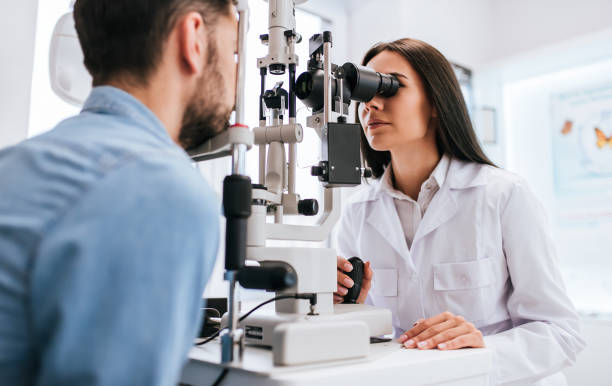
Discover How a Houston TX Optometrist Can Improve Your Vision and Eye Health
Optometrists play a vital role in maintaining and improving eye health for people of all ages. Understanding their responsibilities and the range of services they provide can help you take the right steps toward preserving your vision. This guide explores what optometrists do, when to visit one, and how they contribute to overall eye care.
What Is an Optometrist?
An optometrist is a licensed healthcare professional who specializes in primary vision care. They are trained to detect vision problems, prescribe corrective lenses, and manage various eye conditions. While they are not medical doctors like ophthalmologists, optometrists hold a Doctor of Optometry (OD) degree after completing extensive education and training.
Key Roles of an Optometrist
- Assess visual acuity (e.g., nearsightedness or farsightedness).
- Detect early signs of eye diseases such as glaucoma or cataracts.
- Evaluate overall eye health through tests like retinal imaging or slit-lamp exams.
- Recommend eyeglasses or contact lenses based on individual needs.
- Provide specialized lenses for conditions like presbyopia or astigmatism.
- Treat issues such as dry eyes, conjunctivitis (pink eye), or minor corneal injuries.
- Offer guidance for managing digital eye strain or blue light exposure caused by prolonged screen time.
- Educate patients about maintaining proper eye hygiene and habits.
- Advise on protective eyewear for sports or occupational hazards.
- Identify complex cases that require attention from ophthalmologists or other specialists, such as retinal experts or neurologists.
When Should You See an Optometrist?
- Experiencing blurry vision, headaches, or difficulty focusing on objects.
- Requiring a prescription update for eyeglasses or contact lenses.
- Noticing symptoms like floaters, flashes of light, excessive tearing, redness, or discomfort.
- Needing advice on managing age-related changes such as presbyopia (difficulty seeing nearby objects).
For adults with no significant risk factors or symptoms, the American Optometric Association recommends exams every two years for ages 18–64 and annually after age 65. Children should have their first comprehensive exam at six months old, followed by regular check-ups every one to two years.
Comparing Optometrists With Other Eye Care Professionals
| Professional | Education & Training | Key Responsibilities | Prescribes Medication? | Performs Surgery? |
| Optometrist | Doctor of Optometry (OD) | Vision testing; managing common issues; referrals | Yes | No |
| Ophthalmologist | Medical doctor specializing in eyes | Treats complex conditions; performs surgeries | Yes | Yes |
| Orthoptist | Specialized training in orthoptics | Focuses on binocular vision & coordination | No | No |
The Importance of Seeing an Optometrist Regularly
Routine appointments with your optometrist can be instrumental in preventing serious vision problems down the line. By addressing minor issues early and offering tailored solutions like corrective lenses or therapy recommendations, they help you maintain not only clear vision but also long-term ocular health.
Exploring the World of Orthoptists: Specialists in Eye Movement and Coordination
Orthoptists play a vital role in the field of vision care, specializing in diagnosing and managing disorders related to eye movement, alignment, and coordination. These professionals focus on improving binocular vision and treating conditions that affect how the eyes work together. Here’s a closer look at what orthoptists do and how they contribute to eye health.
What Does an Orthoptist Do?
- Diagnosing Eye Movement Disorders: Orthoptists evaluate and diagnose issues such as strabismus (misalignment of the eyes), amblyopia (lazy eye), or nystagmus (involuntary eye movements).
- Non-Surgical Treatment Options: They provide non-surgical treatments like vision therapy, prism glasses, or patching therapy for specific conditions.
- Pre- and Post-Surgical Care: Orthoptists assist with preparing patients for surgical procedures related to strabismus or other ocular misalignment issues, as well as managing post-operative care.
- Pediatric Vision Care: They often specialize in working with children who face challenges with visual development or coordination.
Common Conditions Treated by Orthoptists
| Condition | Description |
| Strabismus | Misalignment of the eyes where they do not look at the same point simultaneously. |
| Amblyopia | Also known as “lazy eye,” this condition occurs when one eye has reduced vision due to poor coordination during childhood. |
| Nystagmus | Involuntary, repetitive movements of the eyes that can interfere with stable vision. |
| Convergence Insufficiency | Difficulty focusing on near objects due to problems coordinating both eyes effectively. |
When Should You See an Orthoptist?
- Double vision or difficulty focusing on objects.
- Issues with depth perception or hand-eye coordination.
- Symptoms of misaligned eyes, especially noticeable in children.
- Persistent headaches related to prolonged screen use or reading.
For parents, it is essential to book an evaluation if their child struggles with reading comprehension, frequently tilts their head while looking at objects, or shows signs of crossed or wandering eyes.
How Orthoptists Collaborate With Other Eye Health Professionals
- Ophthalmologists: For surgical interventions when necessary.
- Optometrists: For routine vision exams and prescribing corrective lenses.
- Neurologists: In cases where neurological disorders impact vision coordination.
By collaborating within this network, orthoptists ensure patients receive comprehensive care tailored to their specific needs.
Benefits of Consulting an Orthoptist
Seeking care from an orthoptist can help improve visual comfort and overall quality of life by addressing functional issues early on. Their expertise is particularly beneficial for children whose developing visual systems require timely intervention.
In summary, orthoptists are invaluable specialists focused on diagnosing and treating complex issues related to eye alignment and movement through non-invasive methods tailored for each patient’s unique situation. Understanding their role can help individuals make more informed decisions about their visual health care needs.
How Much Training Do Eye Health Professionals Undergo to Ensure Quality Care?
Eye health professionals play a vital role in maintaining and improving vision. To provide high-quality care, these specialists undergo extensive training, education, and certification. Here is a detailed look at the educational pathways and training requirements for different types of eye health professionals.
Educational Pathways for Eye Health Professionals
- Ophthalmologists
Ophthalmologists are medical doctors (MDs) or doctors of osteopathic medicine (DOs) who specialize in diagnosing, treating, and performing surgery for eye-related conditions. Their training involves: - A bachelor’s degree (4 years) with pre-medical coursework.
- Completing medical school (4 years), earning an MD or DO degree.
- Participating in a residency program focused on ophthalmology (3-4 years).
- Optional: Subspecialty fellowships (1-2 years) in areas like retina surgery or pediatric ophthalmology.
- Optometrists
Optometrists are primary eye care providers specializing in vision tests, prescribing corrective lenses, and managing certain eye conditions like glaucoma. Their education includes: - A bachelor’s degree, often with emphasis on sciences like biology or chemistry (4 years).
- Admission to a professional optometry school leading to a Doctor of Optometry (OD) degree (4 years).
- Some optometrists may complete a 1-year residency to specialize further.
- Orthoptists
Orthoptists are allied health professionals specializing in diagnosing and treating disorders related to eye movements and binocular vision. Their training pathway generally involves: - Earning a bachelor’s degree, typically in health sciences or biology (3-4 years).
- Completing a post-graduate program in orthoptics accredited by appropriate national boards (2 years).
Licensure and Continuing Education Requirements
- For ophthalmologists, passing medical licensing exams such as the USMLE or COMLEX is mandatory before practicing medicine, followed by board certification from organizations like the American Board of Ophthalmology.
- Optometrists must pass the National Board of Examiners in Optometry (NBEO) exam.
- Orthoptists often require certification from international boards such as the International Orthoptic Association.
Continuing education is crucial for all practitioners to maintain certifications, keep up-to-date with innovative treatments, and improve clinical skills.
Training Timeline Overview
| Professional Role | Total Years of Education & Training | Optional Specialization Time |
| Ophthalmologist | 12-14+ | 1-2 additional |
| Optometrist | 8 | 1 additional |
| Orthoptist | 5-6 | N/A |
The Importance of Rigorous Training
The extensive training required for eye health professionals ensures they can accurately diagnose complex conditions and implement effective treatments tailored to patients’ needs. This process not only builds expertise but also fosters trust between practitioners and patients seeking high-quality vision care services.

When Is a Referral Required for Visiting an Eye Specialist?
Eye health is a critical aspect of overall well-being, and understanding when you need a referral to see an eye specialist is essential for proper care. Depending on the country, healthcare system, and nature of your eye condition, referral requirements may differ. Below is a detailed guide to help you navigate this process.
Situations That May Require a Referral
- Glaucoma
- Diabetic retinopathy
- Age-related macular degeneration (AMD)
- Cataract surgery
- Retina repair
- Sudden loss of vision
- Severe eye pain
- Persistent double vision
For these cases, your primary care physician or optometrist can assess your condition and provide the necessary referral for specialized treatment.
Specialists You Might Be Referred To
| Specialist | Area of Expertise |
| Ophthalmologist | Medical and surgical treatment of eye diseases |
| Retina Specialist | Conditions related to the retina such as AMD |
| Corneal Specialist | Disorders affecting the cornea |
| Pediatric Ophthalmologist | Eye conditions in children |
Referral Policies by Healthcare Systems
- Private Healthcare Systems:
In some private healthcare systems, referrals may not be mandatory. Patients can directly book appointments with specialists; however, insurance coverage may vary without prior approval. - Public Healthcare Systems:
Countries with public healthcare systems often require referrals from general practitioners (GPs) or optometrists to manage patient flow and ensure appropriate use of medical resources.
Benefits of Obtaining a Referral
- Ensures accurate diagnosis through initial assessment.
- Facilitates access to specialists equipped with advanced tools.
- Provides better coordination among healthcare professionals.
- Often results in improved insurance coverage for specialized treatments.
How to Obtain a Referral
- Visiting your primary care physician or optometrist for an examination.
- Discussing symptoms thoroughly so they can determine if specialized care is needed.
- Receiving documentation or electronic communication from your provider outlining why you need to see an eye specialist.
Understanding when and why you may require a referral helps streamline your path toward effective treatment while ensuring efficient use of medical resources tailored to your needs. Always consult with your healthcare provider if you’re uncertain about the next steps for managing your eye health concerns.
Visiting an Eye Health Professional: What to Expect During Your Appointment
Scheduling an appointment with an eye health professional is a crucial step in maintaining your vision and protecting your overall eye health. Whether you’re visiting for routine care or addressing specific concerns, knowing what to expect can help you feel more prepared and confident.
Preparing for Your Visit
Before heading to your appointment, it’s essential to take a few steps to ensure the process goes smoothly:
– List Symptoms or Concerns: Write down any symptoms you’ve been experiencing, such as blurry vision, dry eyes, or discomfort.
– Bring Essential Documents: Make sure to carry your insurance information, identification, and any prior prescriptions or medical records related to your eyes.
– Know Your Medical History: Be ready to discuss family history of eye conditions like glaucoma or macular degeneration.
– Prepare Any Questions: Jot down any questions you have about your eye health or treatments.
The Process of the Appointment
- Upon arrival, you’ll complete forms detailing your medical history and current medications.
- A technician may ask you questions about your visual habits—such as the amount of time spent on screens—and any specific changes in vision you’ve noticed.
- Technicians often begin by measuring visual acuity with a standard eye chart.
- Pupil response assessments
- Eye pressure measurement (often using tonometry)
- Visual field testing to assess peripheral vision
- Comprehensive Eye Examination
An optometrist or ophthalmologist will perform an in-depth evaluation that may include: - Slit-lamp examination of the front structures of the eye (cornea, lens, iris).
- Dilating drops may be used for a closer inspection of the retina and optic nerve at the back of the eye.
- Diagnosis and Discussion
After completing the exam, the professional will discuss their findings with you and answer any questions regarding your diagnosis or treatment options.
Common Tests You Might Encounter
| Test Name | Purpose | What It Involves |
| Visual Acuity Test | Measures clarity of vision | Reading letters on an eye chart |
| Tonometry | Checks for elevated intraocular pressure | Puff of air or small probe on cornea |
| Refraction Test | Determines prescription needs | Looking through lenses at various strengths |
| Dilated Fundus Exam | Evaluates retina and optic nerve health | Use of dilating drops for detailed view |
Tips for Post-Appointment Care
After seeing an eye health professional:
– Follow recommendations given during your visit for lifestyle adjustments if needed (e.g., reducing screen time).
– Fill prescribed glasses or contact lenses promptly if required. – Schedule follow-up appointments based on their guidance—typically every one to two years for routine care but sooner if treating conditions like glaucoma.
By understanding what happens during an appointment, patients can better advocate for their own care while fostering long-term healthy vision practices.
Visiting an Eye Health Professional: What to Expect During Your Appointment
Regular visits to an eye health professional are essential for maintaining optimal vision and detecting potential issues early. Whether it’s your first visit or a follow-up, understanding what happens during an appointment can help you feel more prepared and confident. Here’s a detailed guide on what typically occurs during an eye care appointment.
Step 1: Patient History and Discussion
- Any vision problems you’re experiencing (e.g., blurry vision, difficulty seeing at night).
- Family history of eye conditions like glaucoma or macular degeneration.
- Current medications that may affect your eyes.
- Overall health conditions, including diabetes or hypertension.
This information helps the eye professional assess risk factors and tailor the examination to your needs.
Step 2: Preliminary Testing
- Measures how clearly you see at different distances using an eye chart.
- Examines how your pupils react to light.
- Screens for glaucoma by measuring the pressure inside your eyes.
- Checks the range of your side (peripheral) vision.
These initial assessments provide valuable insights into the overall condition of your eyes.
Step 3: Comprehensive Eye Examination
| Test Name | Purpose |
| Refraction Assessment | Determines if you need glasses/contact lenses and identifies prescription strength. |
| Slit-Lamp Examination | Uses a microscope with bright light to examine structures in the front part of the eye (e.g., cornea, iris). |
| Retinal Examination | Evaluates the back of your eye (retina) for signs of disease using special lenses or imaging tools. |
| Dilation Procedure | Involves dilating drops that enlarge pupils for better visibility of internal structures; may cause temporary sensitivity to light. |
These tests allow the practitioner to detect potential issues such as cataracts, retinal damage, or other underlying conditions.
Step 4: Diagnosis and Recommendations
- The nature of any diagnosed condition.
- Recommended treatment options (e.g., medication, corrective lenses).
- Preventive measures to maintain long-term eye health.
- Need for follow-up appointments or referrals if specialist care is required.
Feel free to ask questions during this discussion to fully understand your diagnosis and treatment plan.
Tips for a Successful Visit
- Bring any current eyeglasses or contact lenses with you.
- Write down symptoms or questions ahead of time so nothing is overlooked.
- Plan for someone else to drive if dilation is part of your exam.
- Inform staff about any allergies or sensitivities beforehand (e.g., reactions to eyedrops).
By being prepared and informed about what happens during an appointment, you’ll have a smoother experience while prioritizing your visual health effectively.
Regular check-ups with an eye health professional are key not only for addressing current concerns but also ensuring early detection of serious conditions like glaucoma or diabetic retinopathy—both crucial steps in preserving lifelong vision quality.
- Understanding the Role of a Houston TX Optometrist and Key Questions to Ask
- How Optometry Houston TX Professionals Recommend Eye Exam Frequency for Adults and Why It Matters
- Discover the Services a Houston TX Optometrist Offers to Improve Your Vision
- Exploring the Importance of Optometry Houston TX in Vision Care
- Understanding the Roles of a Houston TX Eye Doctor: Optometrists, Ophthalmologists, and Opticians
- Comprehensive Eye Exams with a Trusted Houston TX Eye Doctor
- How Often Should You Visit a Houston TX Eye Doctor for a Comprehensive Eye Exam?
- How Optometry Houston TX Services Can Help Maintain Your Eye Health